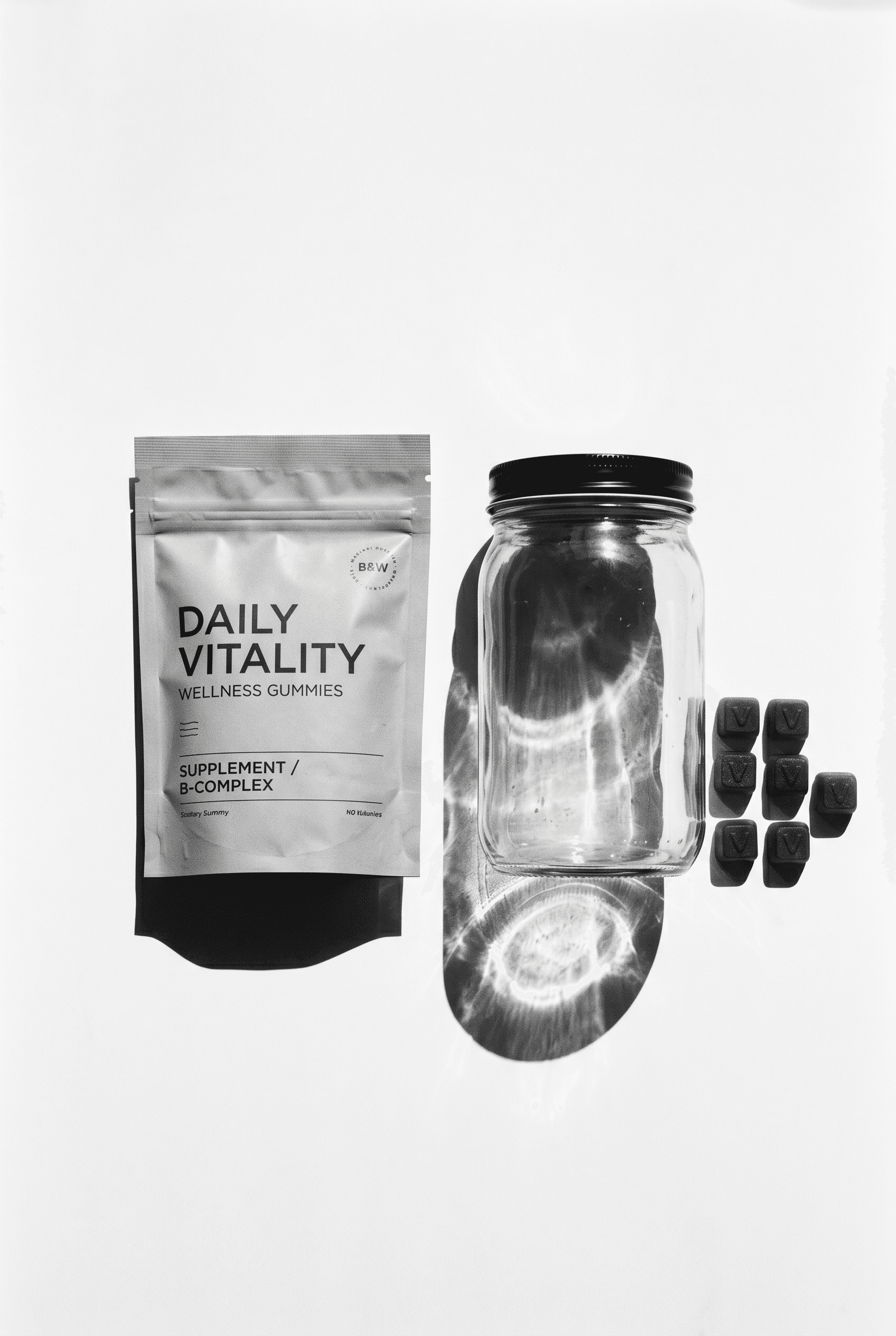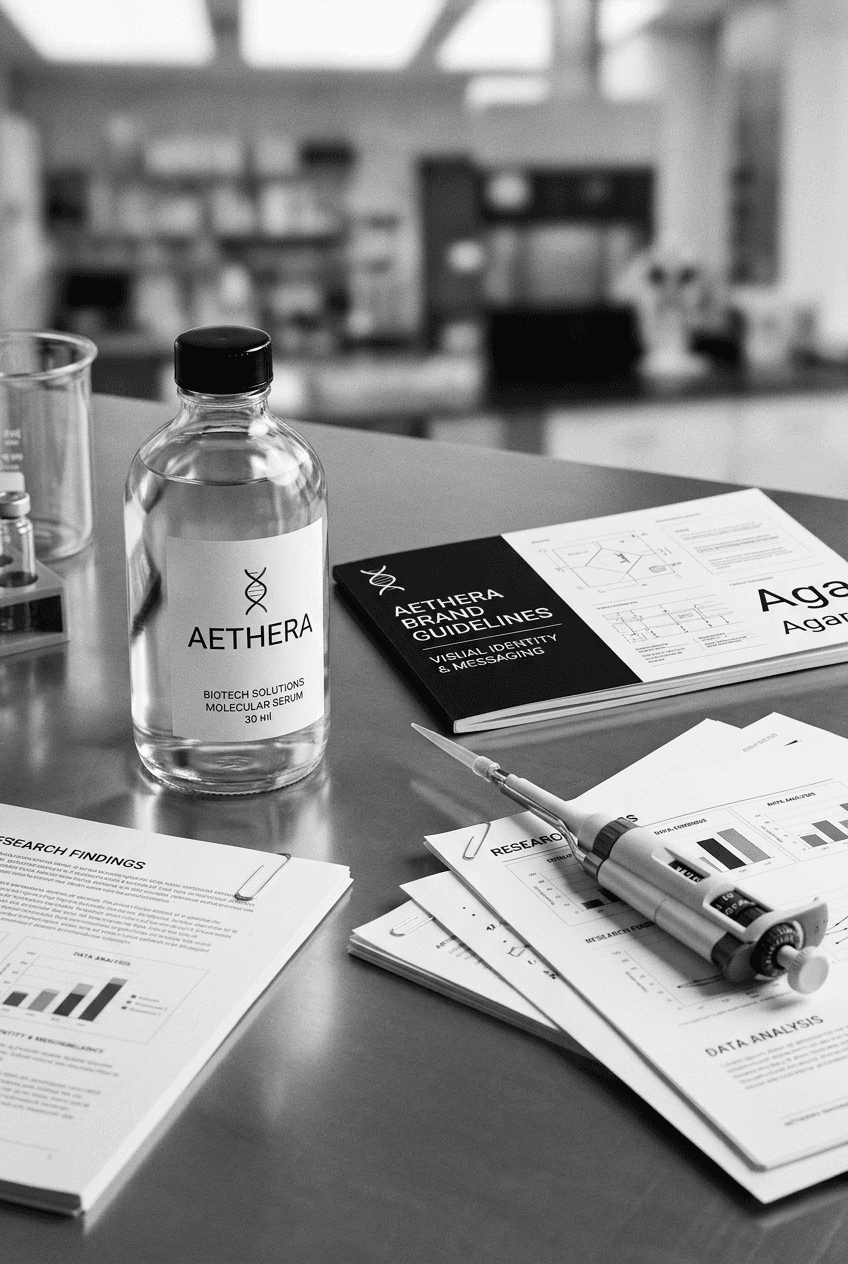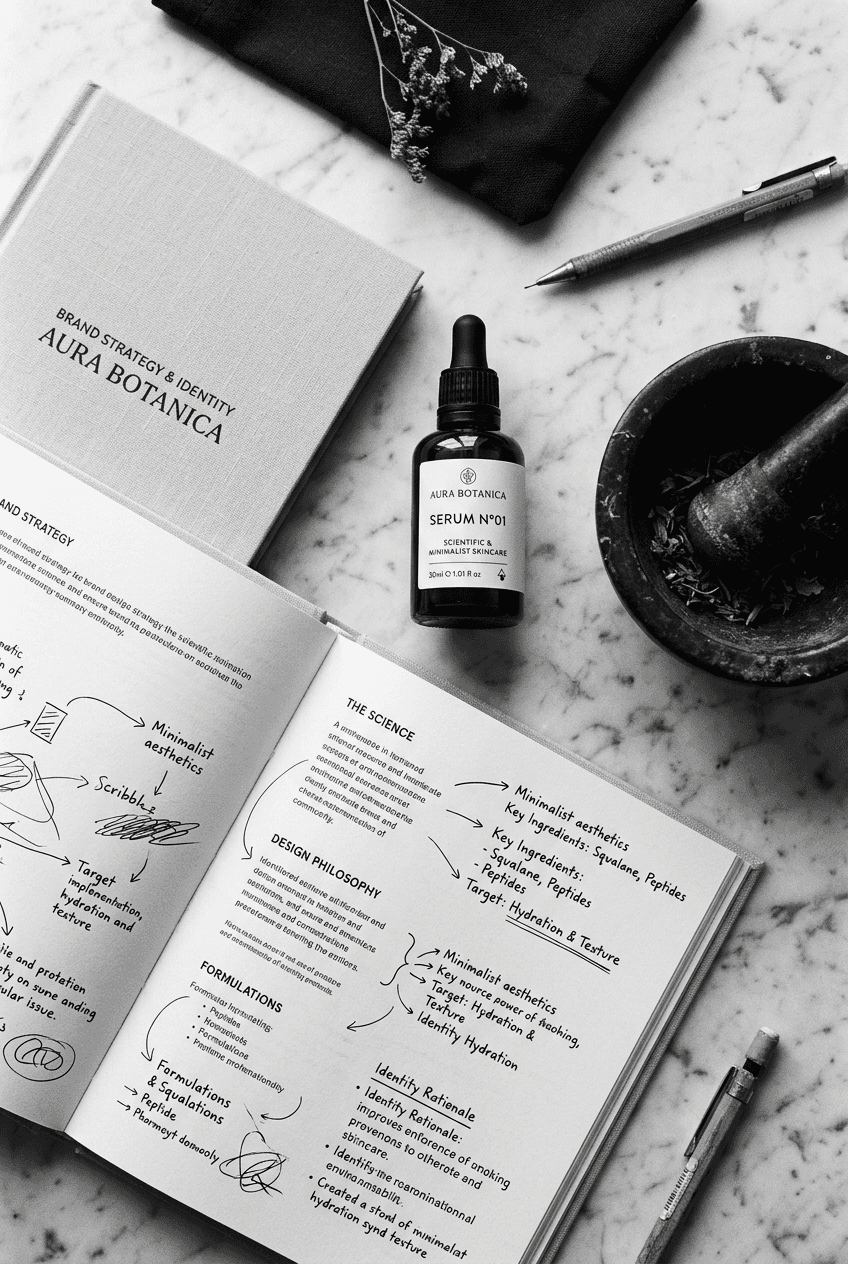

Cosmetics branding is not about aesthetics. It is about strategy. And strategy starts with understanding what the product actually does.
The global cosmetics market was valued at $380 billion in 2023 and is projected to surpass $560 billion by 2030, according to Grand View Research. At that scale, the market rewards clarity. Founders who can articulate what their product does, who it does it for, and why it is different do not need to outspend their competitors. They need to out-think them.
I work with cosmetics founders every week who arrive with excellent formulas and generic brands. The formula is ready. The positioning is not. This guide covers the full process of building a cosmetics brand, starting where the real work begins: strategy.
What Cosmetics Branding Actually Means
Branding in the cosmetics industry is often reduced to logo design and packaging color. That is the output, not the process. Real cosmetics branding is the full architecture of how a product lives in the market: its positioning, its voice, its visual identity, its claims hierarchy, and the emotional contract it makes with the consumer every time they pick it up.
A brand is the reason someone reaches for your serum instead of the one next to it. A logo is just the label on the front.
The brands that consistently win in cosmetics, from The Ordinary to La Mer, are not winning on design alone. They are winning because every element of the brand communicates a specific, credible story to a specific person. The Ordinary built an empire by making the science visible and the pricing honest. La Mer built one by making the science mythological and the price a signal of exclusivity. Neither of these is a packaging decision. Both are positioning decisions that happened long before a designer opened a file.
According to a 2024 Nielsen study, consumers form their first impression of a beauty product in under 250 milliseconds. That impression is driven by packaging structure, color, and label hierarchy before a single word is read. The implication is significant: if your visual system does not communicate the right story in under a quarter of a second, your copy and your formula will never get the chance.
Why Most Cosmetics Brands Fail to Differentiate
The most common mistake in cosmetics branding is leading with ingredients. Founders understand their formula. They know the percentage of active retinol, the source of the hyaluronic acid, the clinical backing behind the peptide complex. They put all of that on the packaging. And consumers, who do not have a pharmacy degree, look at it and move on.
Ingredients are evidence. They are not the story. The story is what the ingredient does for the person holding the bottle. "2% salicylic acid" is evidence. "Clears breakouts without stripping your skin" is the story. The job of cosmetics branding is to translate the evidence into language the consumer can feel.
The second mistake is positioning to everyone. A brand for all skin types, all ages, all concerns, all budgets is a brand for no one in particular. Specificity is not limiting. It is magnetic. The cleaner and more precise the positioning, the more intensely the right customer feels it was made for them.
A 2023 Mintel report found that 64% of skincare consumers say they feel more loyal to brands that demonstrate a clear understanding of their specific skin concern. Specificity is not a design preference. It is a commercial strategy.
The Foundation: Positioning Before Design
Before any creative work begins, four questions need clear answers.
Who is this for? Not in a demographic sense, but in a behavioral and psychological sense. What is this person already doing, already believing, already struggling with? A founder who can answer this in one paragraph without mentioning age ranges or income brackets is ready to brief a designer. What does the product actually do? This means understanding the formulation well enough to make a specific, credible promise. Not "improves skin texture" but "visibly resurfaces in 14 days." Specificity requires knowing the product. Why should they believe you? This is where most brands have a gap. The claim is there, but the proof architecture is not. Proof can come from clinical testing, from the formulator's credentials, from the sourcing story, from the method of delivery. Something has to earn the trust. What word do you want to own in their mind? Every strong cosmetics brand owns a word or a feeling. The Ordinary owns transparency. Tatcha owns ritual. Charlotte Tilbury owns glamour. What is the one concept that, when someone thinks about your brand, they should immediately recall?
These four answers are the brief. Everything that follows, the color palette, the typography, the copy on the carton, the texture of the packaging, is the expression of those four answers. I cover this positioning framework in detail in my guide to cosmetics brand strategy.
Visual Identity: The Science of Stopping the Scroll
In cosmetics, visual identity has two jobs: stopping the scroll and communicating quality before a word is read.
Color is the first signal. Different color territories communicate different things in beauty. White signals clinical purity. Black signals luxury. Earth tones signal naturals and wellness. Pastels signal gentleness. These are not rules to follow blindly but conventions to understand, so that breaking them is a deliberate choice rather than an accident. I explore this in depth in my piece on color psychology in cosmetics branding.
Typography is the second signal. A serif typeface reads as heritage and authority. A clean sans-serif reads as modern and scientific. A handwritten script reads as artisanal and personal. Each decision shapes perception before the consumer reads a single product name.
The label hierarchy matters more than most founders realize. The consumer's eye moves through a label in a predictable sequence: brand name, product name, key claim, then secondary information. If the key claim is buried below the ingredient list, it will not be seen at the point of purchase. The hierarchy of information on the front of pack is a strategic decision, not a design preference.
Packaging material and finish communicate quality without words. A matte finish reads differently than a gloss. Glass reads differently than plastic. The weight of the cap, the friction of the lid, the feel of the carton all shape the perceived value of the product inside before the formula is ever experienced.
Visual Element | What It Communicates | Best Positioned For |
|---|---|---|
White with clinical typography | Science, precision, transparency | Ingredient-led and dermatologist-recommended brands |
Black with minimal design | Luxury, sophistication, exclusivity | Prestige and anti-aging |
Earth tones, organic shapes | Natural, sustainable, botanical | Clean beauty and wellness-led brands |
Pastels with soft typography | Gentleness, accessibility, approachability | Sensitive skin and everyday skincare |
Bold unexpected color | Disruption, youth, modernity | Gen Z targeting and indie brands |
Claims: Where Branding and Compliance Meet
Cosmetics brands operate in a regulated environment. In most markets, cosmetic claims must be accurate, substantiated, and not imply drug-like effects. This is where branding and compliance intersect, and it is where most generic agencies make costly mistakes.
A claim like "repairs the skin barrier" implies a drug action in many jurisdictions. "Supports a healthy skin barrier" or "helps strengthen the skin barrier" achieves the same consumer communication without crossing into drug territory. The distinction is subtle but consequential.
The EU Cosmetics Regulation (EC) No 1223/2009 sets out the legal framework for cosmetic claims across European markets. In the US, the FDA draws a similar line between cosmetic and drug claims. Understanding both frameworks is not a legal nicety. It is a brand strategy requirement for any company selling across borders.
Understanding the regulatory landscape of claims is not just a legal issue. It is a brand integrity issue. A brand built on claims it cannot substantiate will erode trust the moment a consumer tries the product and finds the experience does not match the promise. The strongest cosmetics brands make promises they can keep, at every price point. I cover cosmetic label compliance in detail in my guide to cosmetic label design.
Ingredient Storytelling: Turning Science Into Desire
The best cosmetics brands do not hide the science. They translate it. They take an active ingredient with clinical backing and tell the story of what it does in language that makes the consumer feel something.
"Bakuchiol" means nothing to most consumers. "The plant-based alternative to retinol, without the irritation" means everything to a consumer who loves retinol but cannot tolerate it. Same ingredient. Entirely different brand story.
The translation layer between formulation and consumer communication is one of the most undervalued skills in the cosmetics industry. It requires someone who understands what the ingredient actually does at a cellular level and also understands what the consumer actually wants to feel. That combination is rare. When it exists, it produces brands that are both credible to informed consumers and emotionally compelling to everyone else.
As a pharmacist and creative director, this translation is the core of how I work with cosmetics founders. Understanding the formula is not a background detail. It is the starting point for everything the brand says and shows. That same approach applies to the full packaging system, which I cover in my guide to cosmetic packaging design.
Building a Cosmetics Brand That Lasts
Cosmetics trends move fast. Ingredients cycle in and out of fashion. Aesthetics date quickly. The brands that survive decades of trend cycles are built on something more durable than a formula or a color palette.
They are built on a point of view. A specific, consistent belief about what beauty is, what it does for a person, and why it matters. That point of view expresses itself in the product, the packaging, the copy, the social presence, the customer service, and every other touchpoint. It is coherent not because it is tightly controlled, but because it is genuinely believed.
For founders entering the cosmetics market, the investment in strategy before design is not a luxury. It is the difference between a brand that needs to be rebuilt in three years and one that compounds in value every time it reaches a new customer.
According to a 2023 Deloitte consumer survey, brands that maintain consistent positioning across packaging, digital, and retail channels generate up to 33% more revenue than those with fragmented visual communication. Consistency is not just aesthetic discipline. It is a commercial advantage.
The Practical Starting Point
If you are launching or repositioning a cosmetics brand, start with one exercise. Write down, in plain language, the single most important thing your formula does for the person using it. Not the mechanism. Not the ingredients. The outcome. What is the before and after?
If you can write that in one sentence, you have the seed of a brand strategy. If you cannot, that is where the work begins. Everything else, the visual identity, the positioning, the claims, the packaging, grows from that one clear sentence.
The cosmetics market rewards clarity. If you want to build a brand that earns trust and holds position over time, reach out. I work with founders at exactly this stage.
FAQ: Cosmetics Branding
What is cosmetics branding and why does it matter?
Cosmetics branding is the complete system through which a beauty product is positioned, communicated, and differentiated in the market. It includes naming, visual identity, packaging design, claims architecture, and brand voice. It matters because in a market projected to reach $560 billion by 2030, the formula alone is not enough to win. The brand is what makes a consumer choose one product over the thirty similar options beside it.
How is cosmetics branding different from general product branding?
Cosmetics branding operates in a regulated environment where every claim must be substantiated and legally compliant. It also involves a category where visual communication, sensory experience, and formulation credibility interact in ways that do not exist in most other categories. A cosmetics brand must communicate science and desire simultaneously. That is a specific discipline.
When should a founder invest in cosmetics branding?
Before the packaging is designed. Before the name is finalized. Ideally before the formula is complete, because the brand positioning should inform the product development process as much as it informs the design. Every week a founder waits costs significantly more in rework than an early investment in strategy.
What are the most common cosmetics branding mistakes?
Leading with ingredients rather than outcomes. Positioning to everyone and differentiating for no one. Building a visual identity without a positioning foundation. Treating packaging as the last step rather than a strategic pillar. Using generic claims that every competitor also makes.
How long does it take to brand a cosmetics line?
A rigorous brand strategy and identity process takes eight to sixteen weeks, depending on the number of SKUs and the complexity of the packaging system. Rushing this process is the leading cause of rebrands within the first two years.
Do I need a cosmetics-specialist agency?
Significantly so. Cosmetics branding involves regulatory label requirements, claims compliance, packaging production knowledge, and beauty category expertise that a generalist designer does not have. A specialist brings category-specific experience that reduces costly mistakes and produces a brand that is built to last.
How do I know if my cosmetics brand is positioned correctly?
If your target consumer, when they see your packaging, immediately knows the product is for them and trusts it enough to pick it up, your positioning is working. If your packaging could belong to any of a dozen competitors, the positioning work is not done.
I am Tambi, a brand strategist and creative director with an unfair advantage: I am a pharmacist. I run a creative studio for cosmetics, supplements and beyond. 17+ years. Exclusively.
Sources: Grand View Research, Global Cosmetics Market Report (2024); Nielsen FMCG Visual Communication Study (2023); Mintel Skincare Consumer Loyalty Report (2023); Deloitte Brand Consistency Revenue Study (2023); EU Cosmetics Regulation (EC) No 1223/2009