
Your color palette is not a style choice. It is a communication strategy that runs before any word is read.
The Science of Color in Cosmetics Purchasing
Color psychology is one of the most studied and least applied disciplines in beauty branding. The research is extensive and the findings are commercially significant, yet most cosmetics brands choose their color palette without reference to any of it.
A 2006 study by Satyendra Singh, published in Management Decision, established the foundational data point that is now referenced across almost every discussion of retail color psychology: color alone accounts for up to 85% of the reasons consumers choose one product over another. This figure has been debated and qualified since, but subsequent research has consistently confirmed the outsized role of color in product selection, particularly in categories where quality is difficult to evaluate before use. Cosmetics and skincare are exactly such categories.
A 2022 meta-analysis in the Journal of Consumer Psychology reviewed 30 years of research on color and consumer behavior in health and beauty categories and found that color influences buyer perception of product efficacy, brand trust, price value, and brand personality before any other brand element is processed. The implications for cosmetics branding are direct and significant.
Understanding color psychology in cosmetics branding is not about following color conventions. It is about understanding what your target buyer expects from color in your specific segment, and then making a deliberate choice about whether to meet those expectations (for category fit and immediate recognition) or deliberately violate them (for differentiation and memory).
What Each Color Communicates in Cosmetics Branding
These associations are not universal absolutes. They are the dominant associations that beauty buyers in English-speaking markets (US, UK, Australia, Canada) have developed through exposure to category conventions. Context, shade variation, and brand execution all modify these associations. Use them as starting points for strategic thinking, not as rules.
White
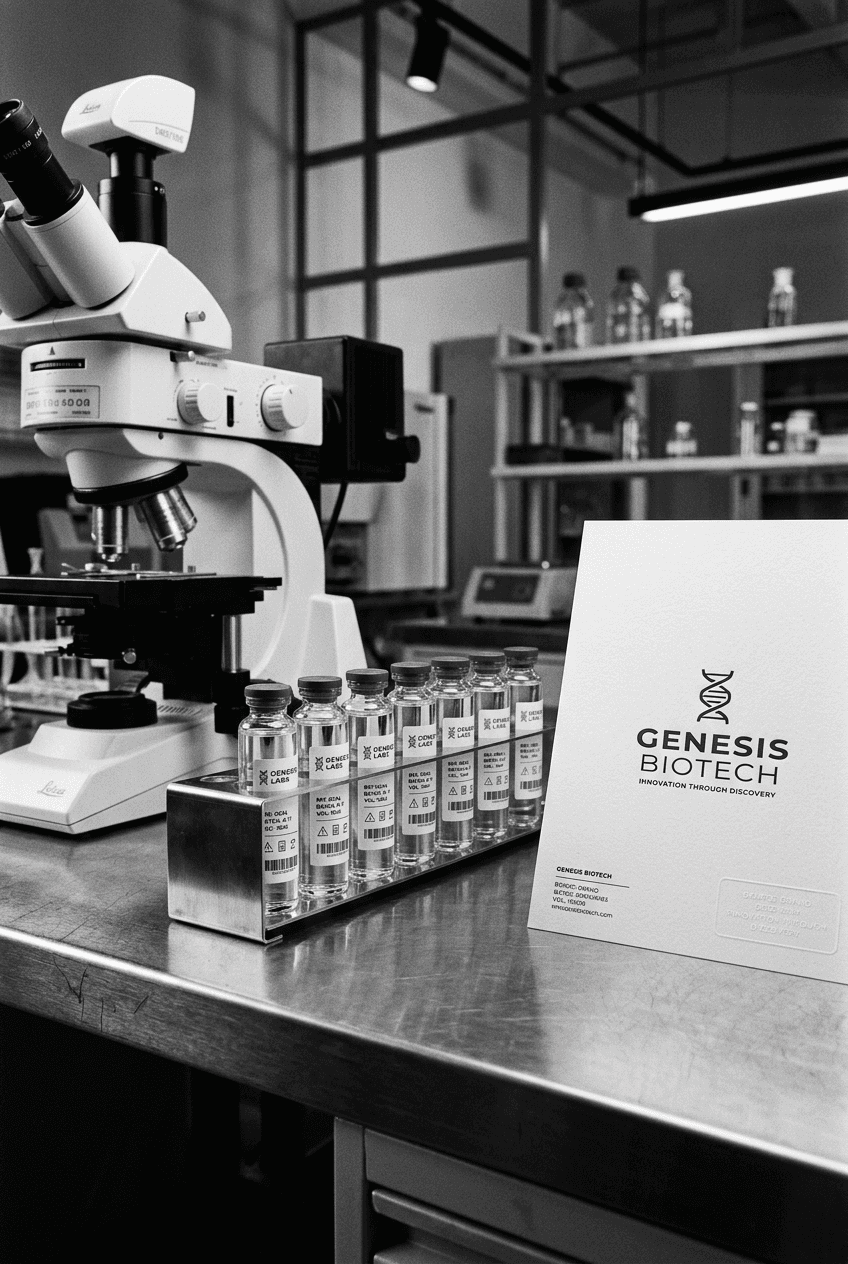
White is the dominant color in clinical skincare and pharmaceutical-adjacent beauty. Its primary associations are: purity, clinical precision, scientific rigor, and cleanliness. White packaging signals that the product inside has been manufactured to exacting standards, with nothing added that does not need to be there.
In skincare specifically, white packaging is a quality proxy signal. Research published in the International Journal of Cosmetic Science in 2021 found that skincare products in predominantly white packaging were rated 27% higher on "effectiveness" expectations by participants compared to identical products in other packaging colors, before any product claims had been read.
White's limitation is its commonness. It is so prevalent in the clinical skincare category that it no longer differentiates within the segment. Brands using white need to earn distinction through other elements: typography quality, structural packaging form, texture and finish, or a distinctive brand mark that makes their specific white packaging unmistakable.
Black
Black in cosmetics packaging communicates: luxury, sophistication, authority, and confidence. It is the premium color signal par excellence in the beauty industry. From CHANEL's iconic black packaging to Bobbi Brown's original black-and-white aesthetic to the proliferation of black packaging in prestige skincare, black has a remarkably durable association with high value and exclusivity.
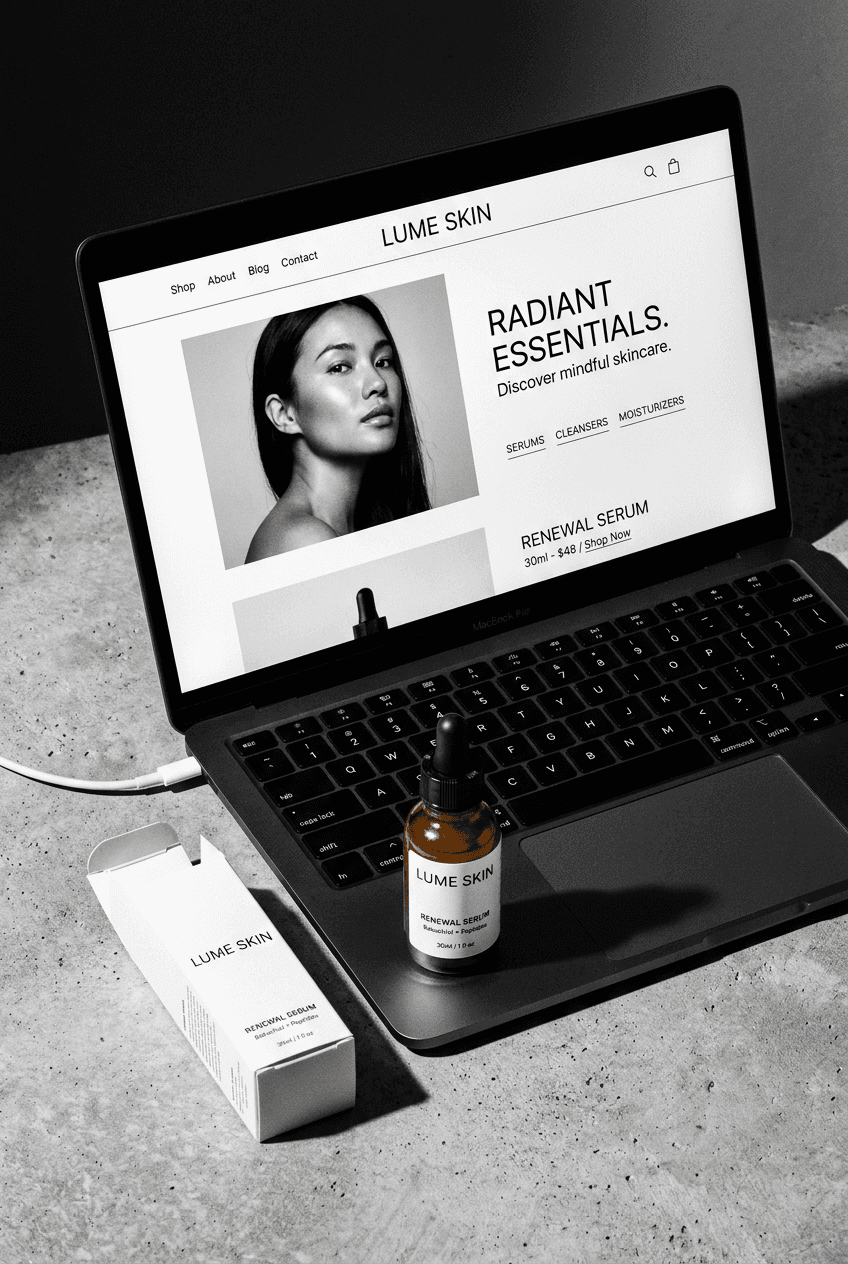
Black packaging also has a distinctive DTC and social commerce advantage: it photographs well in almost any lighting condition and creates strong visual contrast in flat lay photography, which is the dominant aesthetic format on Instagram and Pinterest. For DTC-first beauty brands, black packaging is one of the safest color investments for visual performance across channels.
The risk with black: it is heavily saturated in the prestige and luxury beauty segments. Brands entering these segments with black packaging need very strong design execution to avoid looking generic within the category.
Green
Green in beauty packaging communicates: natural origin, botanical ingredients, sustainability, and wellness. The association is so strong that green packaging is almost universally interpreted as "natural" or "organic" by beauty buyers, regardless of whether the product formulation supports this interpretation.
This creates a double-edged dynamic. For genuinely natural or organic beauty brands, green packaging reinforces the formulation story. For brands using green for aesthetic reasons without genuine natural positioning, it creates a credibility expectation that the formulation must support. The growing buyer sophistication around greenwashing (understanding the gap between green packaging and genuinely sustainable products) means that green packaging now carries a truth obligation that it did not a decade ago.
A 2023 Mintel study found that 54% of beauty buyers who purchased a product in green packaging specifically expected the product to meet higher sustainability standards than competitors. When it did not, repeat purchase rates were 32% lower than the category average.
Pink
Pink in beauty packaging has a complex and evolving psychology. Its traditional associations (femininity, softness, romance, conventional beauty) have been commercially successful across generations of beauty products aimed at female buyers. Its contemporary associations are more nuanced: in some segments, pink signals the confidence of "unapologetically feminine" positioning; in others, it reads as dated or reductive.
The important distinction in 2026 is between pink as a conventional category signal and pink as a strategic brand character choice. Dusty pink in a refined typographic context communicates very differently from bubble-gum pink in a maximalist graphic context. The specific shade and execution context determine whether pink is a sophisticated positioning choice or a generic category default.
Blue and Navy
Blue and navy in cosmetics packaging communicate: scientific credibility, trust, reliability, and evidence-based efficacy. These associations are borrowed from the pharmaceutical and medical sector where blue has long been the dominant institutional color.
The clinical blue aesthetic in skincare (La Roche-Posay, CeraVe) has been one of the most commercially successful color strategies of the last decade. It has migrated the scientific trust signal that was previously exclusive to pharmaceutical brands into accessible skincare, capturing a buyer segment that prioritizes efficacy evidence over aesthetic experience.
Navy, specifically, communicates a premium version of scientific credibility: more authoritative, more heritage, and more institutional than bright blue. For skincare brands targeting professional or dermatologist-adjacent positioning, navy is a particularly effective choice.
Gold and Metallics
Gold in cosmetics packaging communicates: luxury, premium quality, heritage, and high price positioning. Gold is the luxury signal in packaging, full stop. Its use in beauty communicates that the product commands a price premium and that the brand behind it has confidence in that positioning.
The risk with gold is the gap between signaling and delivery. Gold packaging creates a luxury expectation that the product and brand experience must fulfill. Brands using gold packaging at accessible price points create cognitive dissonance that can undermine rather than support conversion.
Silver communicates: modernity, clinical precision, and contemporary premium. It is the more neutral metallic, creating a premium signal without the heritage weight of gold.
Earth Tones (Terracotta, Warm Beige, Ochre)
Earth tones in cosmetics packaging communicate: artisan quality, natural ingredients, founder-led craft, and an anti-luxury positioning that some buyers find more authentic than traditional luxury signals. Earth tones have been strongly associated with the indie beauty wave and are now saturating the DTC natural beauty segment.
The saturation risk is real. The combination of earth tones, hand-lettered typography, and kraft paper elements became so prevalent in natural and indie beauty between 2018 and 2023 that it now signals "small indie brand trying to look natural" rather than genuine differentiation. Brands building authentic natural beauty identities in 2026 need to find ways to signal naturalism through materials and ingredients rather than through an aesthetic language that has become a category cliche.
How to Choose a Color Palette for a Cosmetics Brand
The strategic color selection process for a cosmetics brand has four steps.
Step 1: Map the competitive color territory.
Before selecting any colors, audit the visual palette of your five to eight direct competitors. What colors dominate? What color combinations are overcrowded? What visual territory is underoccupied? This map tells you where the differentiation opportunities are and where you risk visual invisibility.
Step 2: Identify the buyer psychology requirement.
What trust signal does your target buyer need from your packaging color? Do they need clinical precision (white, blue)? Natural authenticity (green, earth tones)? Premium positioning (black, navy, gold)? The answer is determined by your positioning and your competitive context, not by your personal preferences or current trends.
Step 3: Select a primary palette that is differentiated within the appropriate signal.
Given the buyer psychology requirement identified in Step 2, find the specific shade and palette combination that delivers the required signal while being visually distinct from the competitors you identified in Step 1. The goal is to choose a color that communicates the right category signal while being unmistakably yours.
Step 4: Build a secondary palette for range hierarchy and communication.
Most cosmetics brands need a secondary palette for product differentiation within a range, for accent and emphasis elements, and for digital communications. The secondary palette should complement and support the primary palette without competing with it. Complexity in the secondary palette is a common mistake that produces visual incoherence across a product range.
Color Psychology Across Cosmetics Sub-Categories
Sub-Category | Dominant Color Signals | Differentiation Opportunity |
|---|---|---|
Clinical skincare | White, clinical blue, navy | Warm neutrals with clinical execution |
Luxury skincare | Black, gold, deep jewel tones | Sophisticated color with unusual structure |
Natural/organic beauty | Green, earth tones, warm beige | Clean clinical white with natural story |
Color cosmetics | Bold primaries, deep neutrals | Unexpected editorial palette |
Men's grooming | Dark blue, grey, black | Warm earthy tones for a natural-heritage hybrid |
Supplements (beauty) | White, green, blush pink | Deep navy for scientific positioning |
The Most Common Color Psychology Mistakes in Cosmetics Branding
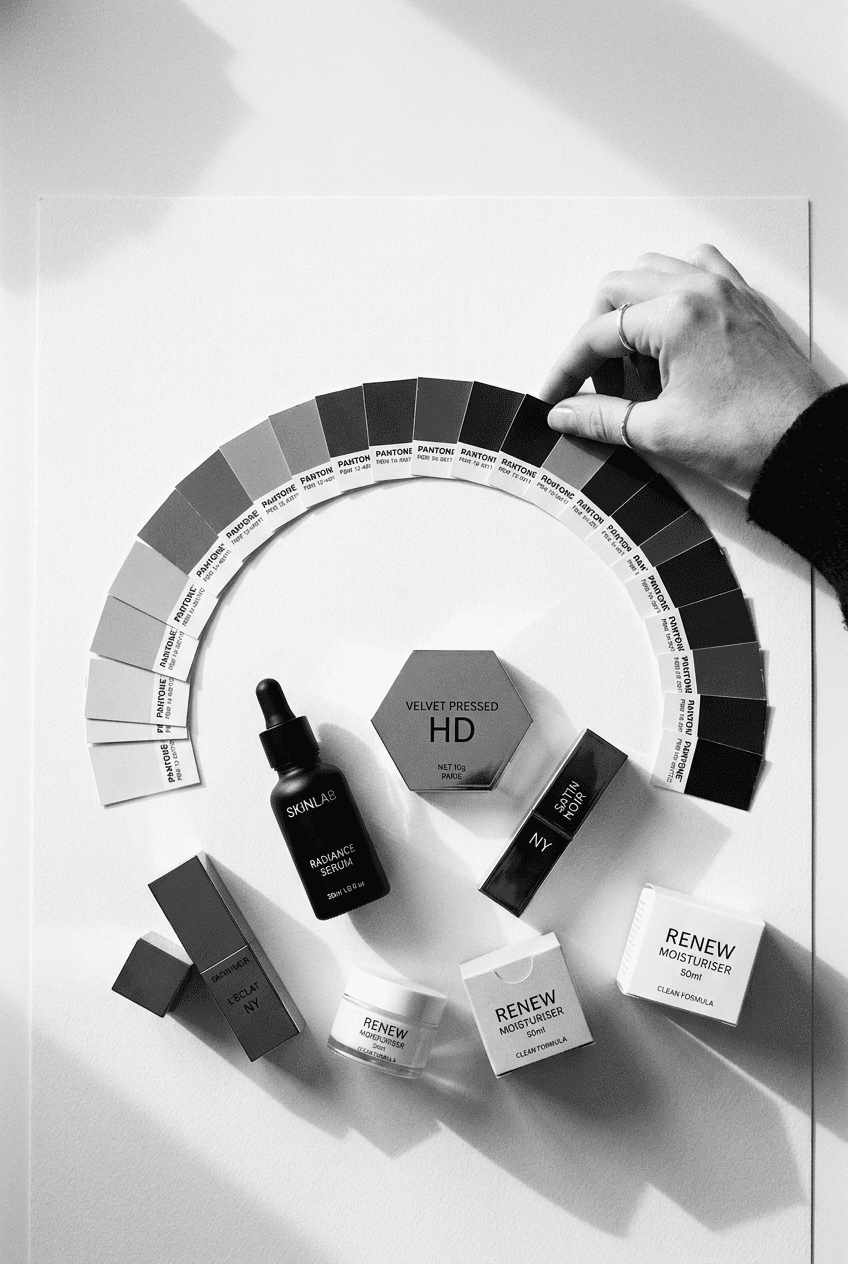
Using a color because the founder likes it. Personal preference is not positioning. The question is not "what color do I love?" but "what color communicates the right things to my target buyer in my competitive context?" Choosing a trendy color for a long-term brand investment. Packaging production cycles are typically 12-24 months and often involve minimum order quantities. A color chosen for its trend relevance in 2024 may feel dated by 2026 when it is finally on shelf in volume. Brand color palettes should be chosen for 5-10 year relevance, not 12-month trend cycles. Using too many colors across a product range. Range differentiation is necessary, but color complexity undermines brand recognition. The solution is to differentiate product lines through secondary accent colors while maintaining a strong primary brand color that creates visual family across the entire range. Ignoring production color reproduction variation. Color in digital mockups looks different from color on printed labels, which looks different from color on glass containers, which looks different under retail LED lighting from how it looks in product photography. Professional cosmetics packaging design accounts for these reproduction variations by specifying Pantone colors for every critical color in the palette and testing reproduction across every production surface.
FAQ: Color Psychology in Cosmetics Branding
How important is color in cosmetics branding?
Highly important. A 2006 study in Management Decision found that color influences up to 85% of snap purchase decisions in product categories where quality is hard to evaluate before use, which directly describes cosmetics and skincare. Color is the first brand signal processed by the buyer and the one with the most influence on the initial trust and quality impression.
What color is best for skincare packaging?
There is no single best color. The right color depends on positioning: white for clinical and pure positioning, black for luxury positioning, green for natural and botanical positioning, navy and blue for evidence-based and dermatological positioning. The best color for your brand is the one that communicates your specific positioning most precisely while being visually distinct from your direct competitors.
Does color psychology work the same way in all markets?
No. Color associations are culturally modulated. White is associated with purity in Western markets but with mourning in parts of East Asia. Red communicates danger or urgency in many Western contexts but fortune and celebration in Chinese culture. For cosmetics brands with international ambitions, color choices should be tested against the specific cultural associations in target markets.
What colors are most commonly used in luxury cosmetics packaging?
Black, deep navy, white, gold, and jewel tones (deep green, burgundy, sapphire) are the dominant luxury cosmetics palette. These colors share the associations of exclusivity, authority, and premium quality that luxury positioning requires.
How do I test my color choices before committing to packaging production?
Use physical Pantone swatches to evaluate color under retail lighting conditions, not only on screen. Create physical mockups of the primary packaging and evaluate them on a simulated shelf next to competitor products. Show the mockups to members of your target buyer demographic and measure first-impression associations before any product claims are visible.
Why do so many natural cosmetics brands use the same green and earth-tone palette?
Because green and earth tones are the dominant category signals for natural and botanical products, and most natural brands followed the signals without differentiating within them. The result is a segment where visual distinctiveness is very difficult to achieve through color alone. Natural brands that want to differentiate visually need to find other differentiation levers: structural packaging form, typography quality, and photography aesthetic, rather than relying on an overcrowded color territory.
Can a cosmetics brand use unconventional colors successfully?
Yes, but the unconventional choice must be supported by brand narrative that contextualizes it for the buyer. A purple or orange cosmetics brand can succeed if there is a clear brand story that explains the color choice and a sufficiently distinct positioning that the unconventional color becomes a brand signature rather than a confusing signal. Without that narrative support, unconventional colors create category dissonance that most buyers resolve by choosing a more familiar-feeling alternative.
I'm Tambi Haspak, a brand strategist and creative director with an unfair advantage: I'm a pharmacist. I run a creative studio for cosmetics, supplements and beyond. 17 years. Exclusively. If you want a color palette chosen for commercial performance rather than personal preference, book a call or email me.