
250 milliseconds. That is all the time your cosmetic packaging gets to make its case.
Why Cosmetic Packaging Design Is a Conversion Discipline
The global cosmetics packaging market was valued at $32.3 billion in 2023 and is forecast to reach $45.8 billion by 2030, according to Grand View Research. That investment reflects a fundamental commercial reality: packaging is not a cost of goods. It is a sales tool.
For cosmetics specifically, the packaging design is often the primary purchase driver, ahead of brand recognition, price, and even the product formulation. A 2022 Ipsos report on beauty purchase behavior found that 72% of first-time cosmetics purchases were influenced primarily by packaging appeal, with only 28% citing brand awareness as the primary driver. For brands without significant advertising budgets, this data point is critical. Your packaging is your most effective salesperson.
What makes cosmetic packaging design particularly interesting as a discipline is the psychology layer. The decisions that buyers make at shelf are not primarily rational. They are pattern-recognition decisions: does this packaging match the quality signal I expect at this price point? Does it fit the aesthetic values I associate with effective products in this category? Does it feel worth picking up?
The answers to those questions are entirely determined by design choices that were made before the product ever reached the shelf.
The Psychology of Cosmetics Packaging Decisions
Understanding the cognitive mechanisms behind cosmetics packaging decisions is the starting point for designing packaging that performs.
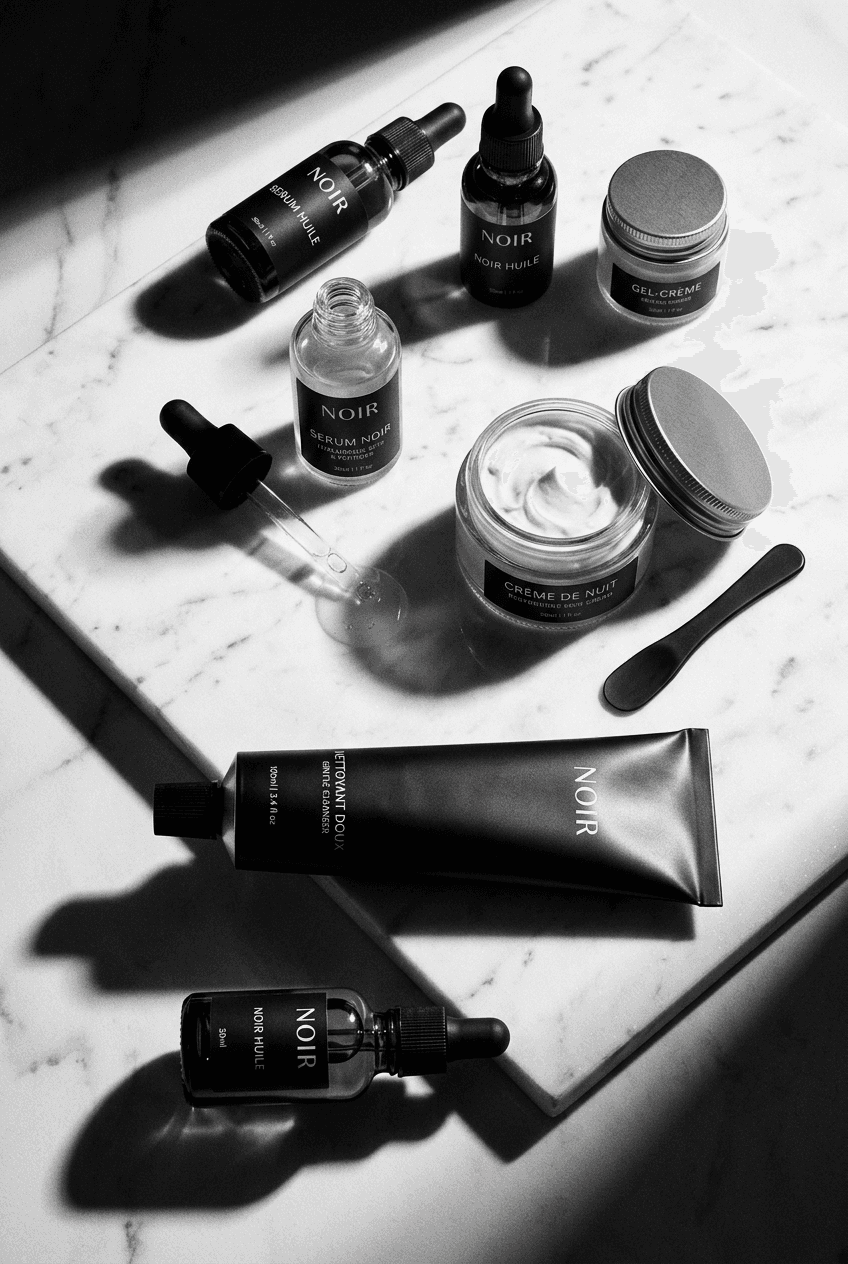
The halo effect in premium signaling. Psychological research consistently demonstrates that consumers attribute higher quality to products presented in visually premium packaging, even when the formulation is identical. A 2023 study published in the Journal of Consumer Psychology found that skincare products in premium packaging were rated 31% more effective by testers than identical products in standard packaging, with the majority of testers unaware that packaging had influenced their assessment. This is not buyer irrationality. It is a reasonable heuristic: in categories where quality is hard to evaluate before use, visual presentation is a legitimate proxy for care and quality investment. Pattern recognition at category level. Cosmetics buyers have developed visual pattern libraries for their preferred categories. They know (without conscious analysis) what a premium cleanser looks like, what a medical-grade serum looks like, what a mass-market moisturizer looks like. Packaging that violates the expected pattern for its price point creates cognitive dissonance that typically resolves by the buyer moving on. Packaging that matches or exceeds the expected pattern for its price point creates confirmation and conversion. The role of touch in cosmetics conversion. Physical retail cosmetics purchasing involves a tactile interaction that digital commerce does not replicate. Buyers who pick up a product are significantly more likely to purchase it than those who do not. Research by Paco Underhill (Why We Buy) found a direct correlation between shelf "pick-up rate" and conversion rate across beauty retail categories. Packaging design elements that increase pick-up rate (unusual shape, distinctive tactile finish, satisfying weight) are direct conversion drivers. Color as category shorthand. In cosmetic packaging, color communicates positioning instantly. Certain color conventions are so established in the category that violating them requires explicit strategic justification. Black packaging signals premium/luxury or masculine positioning. White signals clinical/pure/minimalist. Pink signals feminine/conventional beauty. Earth tones signal natural/organic. The risk of using conventional category colors is genericness. The risk of unconventional colors is cognitive dissonance. Great cosmetic packaging design navigates this tension with strategic precision.
Design Elements That Drive Cosmetics Shelf Performance
Structural packaging choices. The shape, material, and closure mechanism of the primary container are cosmetic packaging decisions that precede and constrain the graphic design. A tall, narrow serum bottle creates a very different canvas (and a very different shelf silhouette) than a compact jar. The structural choices should be driven by the target consumer's usage occasion, the positioning tier (mass, prestige, luxury), and the shelf context where the product will compete. These decisions are also major cost drivers: a custom-molded primary container costs significantly more than a standard stock container with a custom label. The ROI calculation must include both the conversion benefit of differentiated packaging and the production cost premium. Label design hierarchy. On the label itself, the hierarchy of information determines whether a 250-millisecond shelf glance converts to a pick-up. The front panel hierarchy that consistently performs in cosmetics retail: brand mark (identity and recognition) at the top or centered, product name (what it is) prominently below, key benefit or hero ingredient (why it works) below that, and any supporting credential icons (dermatologist tested, cruelty-free, SPF rating) at the bottom or as secondary elements. The front panel is not the place for full ingredient disclosure, safety information, or brand story. Those elements belong on the back and sides. Typography quality. In cosmetics packaging, typography is one of the clearest signals of brand tier. Premium cosmetics brands use custom or exclusive typefaces, carefully managed in terms of sizing and spacing. Mass market brands use off-the-shelf fonts applied without typographic precision. The difference is immediately visible to the cosmetics buyer, even when they cannot articulate why one label looks more premium than another. Typography quality is a shortcut signal for production quality throughout the product. Finish selection. Packaging finishes (matte lamination, soft-touch coating, gloss varnish, foil stamping, embossing, spot UV) are cosmetic packaging design tools that serve both aesthetic and conversion purposes. A soft-touch matte finish on a primary container communicates premium positioning through tactile experience. Foil stamping creates visual distinction on-shelf. Embossed logos create a tactile brand element that reinforces premiumness at the moment of use. Each finish has a cost implication, and the ROI calculation is real: a packaging study by the Paper and Packaging Board found that 72% of beauty shoppers said packaging finishes influenced their purchase decision in premium beauty.
Cosmetics Packaging Design for DTC vs. Retail
The channel difference between DTC and retail creates genuinely different design requirements, and conflating them is one of the most common expensive mistakes in cosmetics packaging.
Retail cosmetics packaging must win at shelf among 30-50 competitors in the same product category, at a viewing distance of 60-90 cm, under retail fluorescent or LED lighting, with a decision window of 2-3 seconds. These constraints demand: strong color contrast, bold typography, clear benefit hierarchy, and structural differentiation. Packaging that is too subtle, too complex, or too dependent on secondary information will fail in this context. DTC cosmetics packaging is viewed by a buyer who has already been engaged by digital marketing, is already on the brand's website or reading the product description, and is considering a purchase with much more information available to them. This context allows more design nuance, more brand storytelling through secondary packaging and inserts, and more sophisticated visual language. But DTC packaging must also perform in an unboxing context (social sharing potential) and in product photography for the digital storefront.
The optimal approach for brands serving both channels is to design for retail constraints first (more demanding) and then enrich for DTC (more latitude). The reverse approach creates packaging that is too subtle for retail and requires expensive reworking before retail distribution can begin.
E-commerce thumbnail performance is a third context that must be explicitly addressed. An Amazon or beauty retailer product listing thumbnail is typically 200-300 pixels wide. The brand mark, product name, and key benefit must all be legible at this scale. This is not a guaranteed outcome of designs that look great at full size. Test every packaging design at thumbnail scale before signing off.
How to Brief a Cosmetics Packaging Designer
The quality of your packaging brief directly predicts the quality of the packaging design output. A vague brief produces a polished execution of a vague concept.
A strong cosmetics packaging brief covers:
The channel and retail context. Where exactly will this product be sold at launch, and where in 18-24 months? Which specific retailers or retail categories? This determines the competitive context the design must win in. The competitive set with visual analysis. List the 5-8 direct competitors in your specific segment and describe their packaging visual character. Where is the visual territory overcrowded? Where is there genuine differentiation opportunity? If you do not know the answer to this, ask your packaging designer to do a competitive audit as a first deliverable. The target customer at psychographic level. Not demographic buckets. The specific person, their aesthetic sensibility, their price sensitivity, their relationship with the category, and what visual signals tell them a product is for them. Positioning tier and price point. Mass market, accessible prestige, prestige, or luxury. Each tier has visual language conventions that the design should either follow (for safety) or deliberately violate (for differentiation). Production constraints. Minimum order quantities, budget per unit for packaging, lead time requirements, and any sustainability requirements (recycled materials, recyclable packaging). These constraints are not footnotes. They determine what is and is not possible to produce. Examples of both positive and negative reference. Show your designer 3-5 packaging examples you admire and explain specifically why. Show them 3-5 examples of what you want nothing to do with and explain specifically why. This dual reference is one of the most efficient ways to give creative direction.
2026 Cosmetic Packaging Design Trends with Strategic Rationale
Understanding current trends matters not so that you can follow them, but so you can make a deliberate choice about whether to use them, adapt them, or differentiate from them.
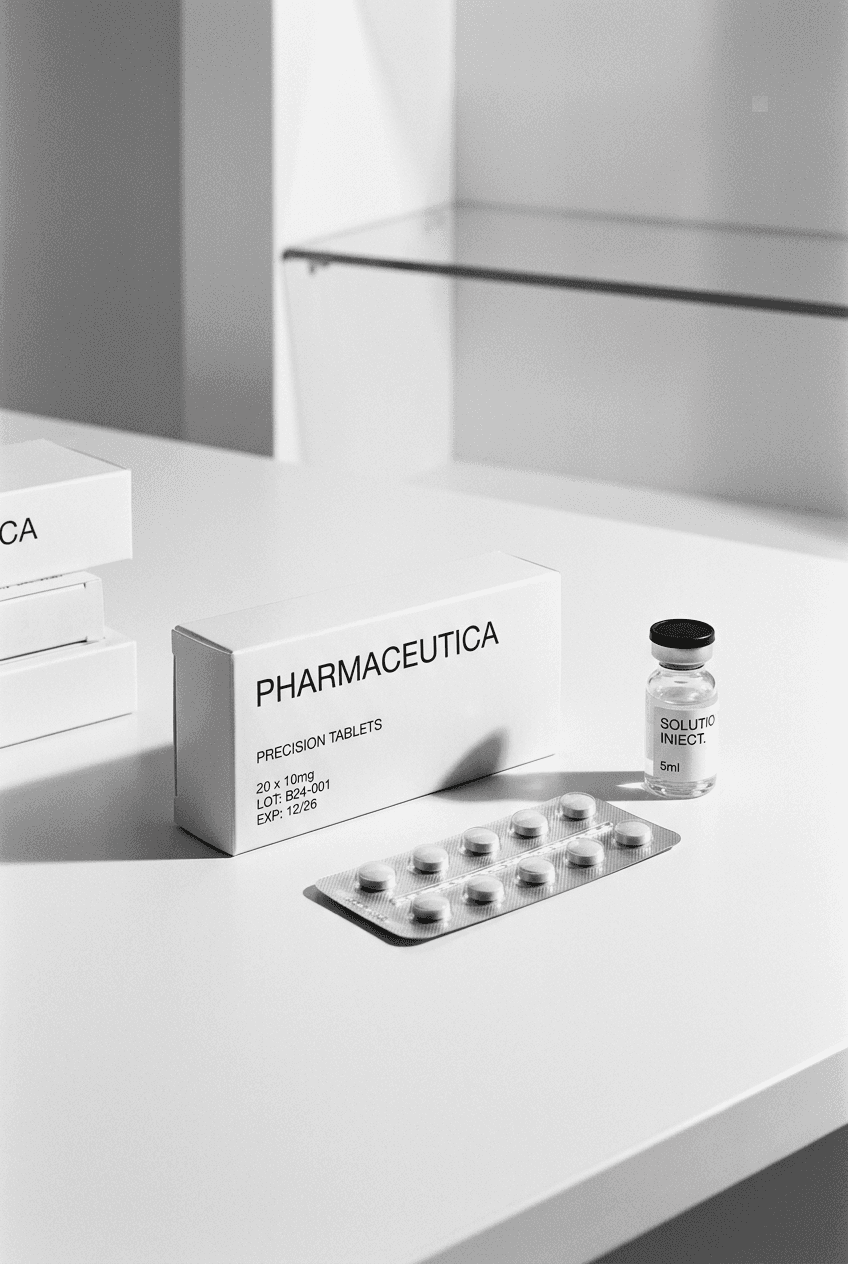
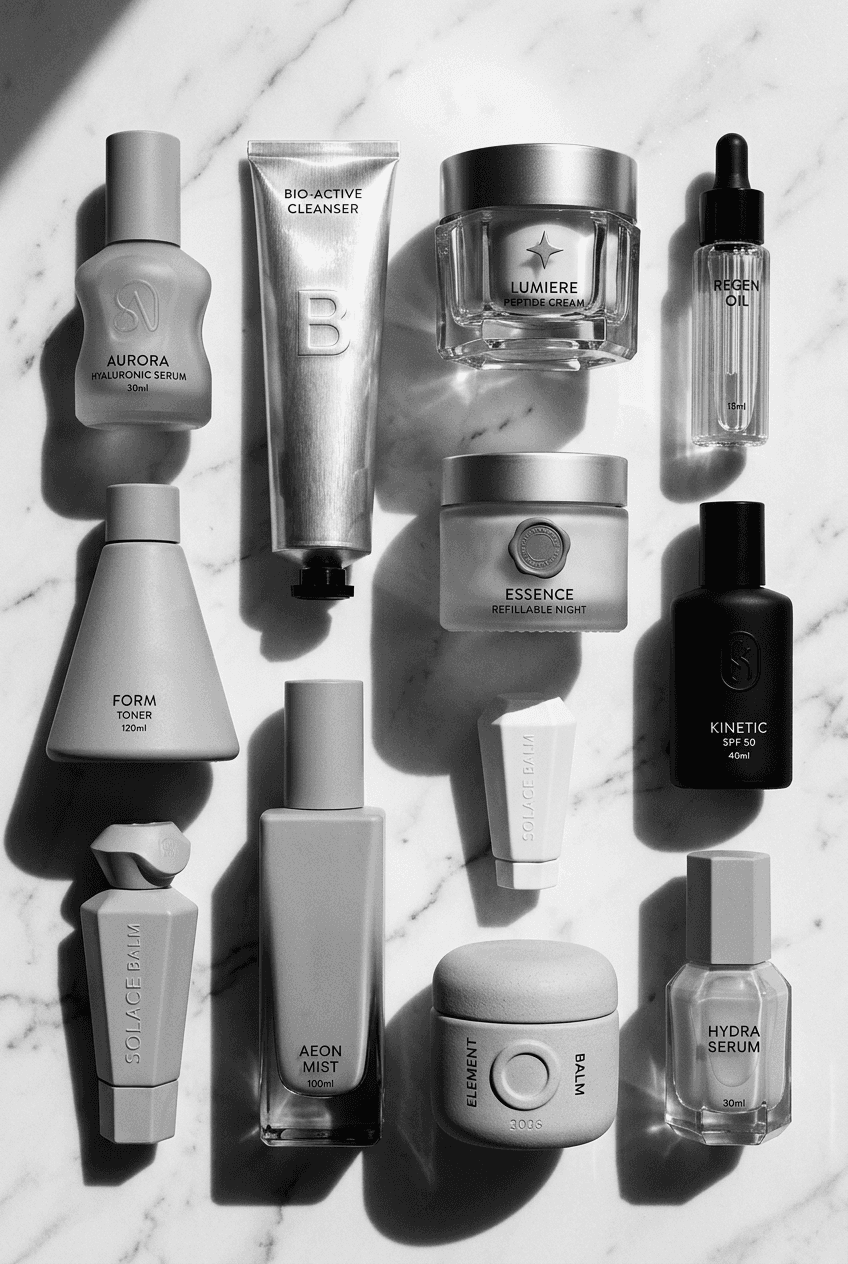
Minimalism as premium signal. The direction toward extremely simplified cosmetics packaging (single color, generous white space, limited typography, no graphic decoration) has moved from premium indie to mainstream prestige. Brands using this approach are signaling confidence: we do not need to shout because our product quality speaks for itself. The risk: as this aesthetic saturates even mass market ranges, it loses its premium differentiation value. Sustainable materials as brand character, not just certification. The generation of sustainable packaging that communicated eco-credentials through brown kraft paper and hand-lettered fonts is giving way to a generation where sustainable materials are used to create premium experiences. PCR plastic with sophisticated soft-touch matte finishes, refillable glass primary containers with premium structural design, and paper-based alternatives that feel luxurious rather than virtuous are all growing. A 2024 GlobalData survey found that 64% of premium beauty buyers consider sustainable packaging "important to purchase decision," up from 48% in 2021. Tactile richness at every price tier. The democratization of premium packaging finishes through improved production technology means that soft-touch finishes, embossing, and spot varnishes are increasingly accessible at prestige price points rather than only luxury. This is making tactile richness table stakes at certain tiers and pushing luxury brands toward genuinely novel material experiences. Clinical and dermatological aesthetic in skincare. A clean, clinical packaging language borrowed from dermatological and pharmaceutical categories has become one of the most commercially successful aesthetic directions in prestige skincare. Brands like CeraVe (now mass market but visually clinical) and La Roche-Posay demonstrated the commercial power of clinical signals. This has diffused into premium skincare positioning broadly.
FAQ: Cosmetic Packaging Design
What is cosmetic packaging design?
Cosmetic packaging design is the strategic and visual development of containers, labels, and outer packaging for cosmetics, skincare, color cosmetics, fragrance, and related beauty products. It includes structural packaging decisions (container shape, material, closure), graphic design (label, typography, color), finish selection, and the integration of regulatory information, all within a brand identity framework.
How much does cosmetic packaging design cost?
Cosmetic packaging design investment varies by scope. A single product label design with a specialist studio typically costs $3,000-12,000. A full range of 4-8 SKUs with consistent packaging design costs $15,000-50,000. Custom structural packaging development (bespoke mold development) adds significantly, from $10,000-100,000 depending on complexity and production volumes.
What is the most important element of cosmetic packaging design?
The front panel hierarchy is the single most important element for commercial performance at shelf. The hierarchy determines whether a buyer gets the information needed to make a positive decision in their 250-millisecond window. Every other design element supports this core function.
How do I choose packaging for a new cosmetics brand?
Start with channel context (where it is sold and what it competes against), then define the positioning tier (what price and quality level it occupies), then evaluate structural options against production budget, and then develop the graphic design within those constraints. Reverse-engineering from visual inspiration without addressing these structural questions produces packaging that looks good in a mood board and fails in commercial reality.
What makes cosmetic packaging sustainable?
Sustainable cosmetic packaging uses recycled content (PCR: post-consumer recycled materials), recyclable or refillable formats, reduced packaging volume, bio-based materials, or some combination of these. The most commercially relevant sustainability signals for premium cosmetics buyers in 2026 are refillable packaging systems, PCR plastic with premium aesthetic execution, and glass over single-use plastic.
How do I test whether my cosmetic packaging design is working?
Key tests: thumbnail legibility (does it read clearly at 200px wide?), competitive shelf simulation (does it stand out when placed next to 10 competitors in the same category?), consumer first impression research (what do buyers associate with the product before reading any text?), and if possible, shelf test with eye-tracking to measure pick-up rate.
I'm Tambi Haspak, a brand strategist and creative director with an unfair advantage: I'm a pharmacist. I run a creative studio for cosmetics, supplements and beyond. 17 years. Exclusively. If your cosmetics packaging is not converting the way it should, or you are building a new range and want to get it right the first time, book a call or email me.