
Every packaging trend is a signal about what buyers no longer trust. Understand the signal. Then decide whether to follow it or own the space they left behind.
Why Beauty Packaging Trends Matter Strategically in 2026
The global beauty packaging market reached $32.3 billion in 2023 and is growing at approximately 4.8% annually, according to Grand View Research. That growth is not evenly distributed. The brands capturing the highest value are those whose packaging signals align precisely with where their target buyer's expectations are in the current moment.
Beauty packaging trends are not arbitrary aesthetic cycles. They are responses to shifts in buyer psychology, technological capability, regulatory pressure, and cultural values. Understanding what is driving each trend is more valuable than knowing the trend itself, because it tells you whether the trend is relevant to your positioning, how long it is likely to persist, and whether following it will differentiate you or blend you into the competition.
In 2026, seven major trends are shaping the beauty packaging market. For each one, I will describe what it is, what is driving it, which brand segments it is most relevant for, and the strategic decision it requires.
Trend 1: Precision Minimalism
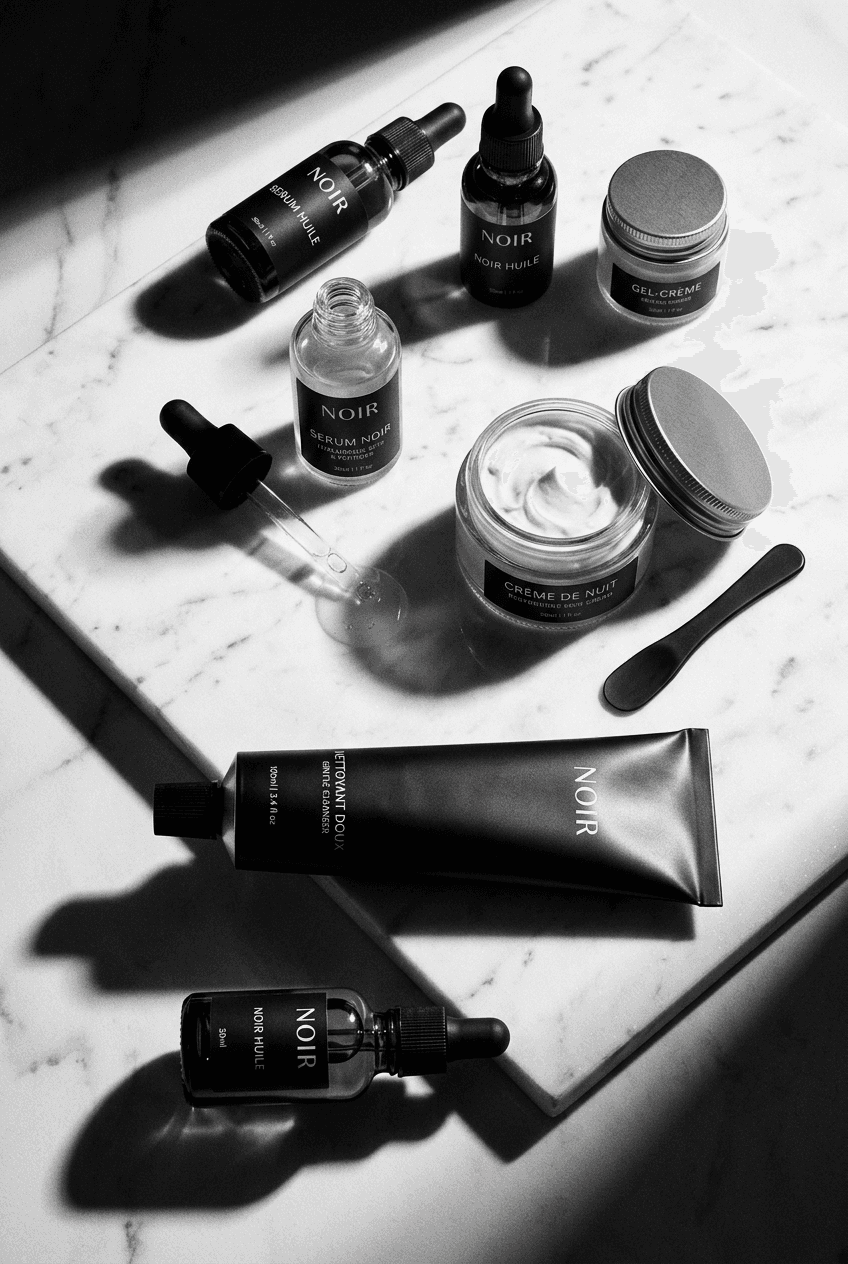
What it is: Extreme simplification of packaging design. Single or two-color palettes, generous negative space, restrained typography with precise spacing, and no decorative graphic elements. What is driving it: Consumer response to years of over-claimed, visually cluttered beauty packaging. Buyers in premium segments have developed skepticism toward packaging that feels like it is compensating for something with visual noise. Minimalism signals confidence: we do not need to shout. Commercial evidence: A 2024 Mintel analysis of prestige skincare launches found that products using precision minimalist packaging outperformed the prestige category average by 24% in first-year revenue. This is not a niche aesthetic. It is a proven commercial approach in the prestige segment. Strategic implication: Precision minimalism works for brands with genuine product credentials they can let the packaging point toward. It is not the right choice for brands that rely on packaging to do the persuasion work that the formulation cannot. And it is rapidly becoming a generic signal at the affordable prestige tier, which means luxury brands need to evolve beyond minimalism to maintain differentiation. Who should use it: Prestige and accessible prestige skincare, evidence-based serums and treatments, brands with clean or clinical formulation positioning.
Trend 2: Refillable and Regenerative Packaging Systems
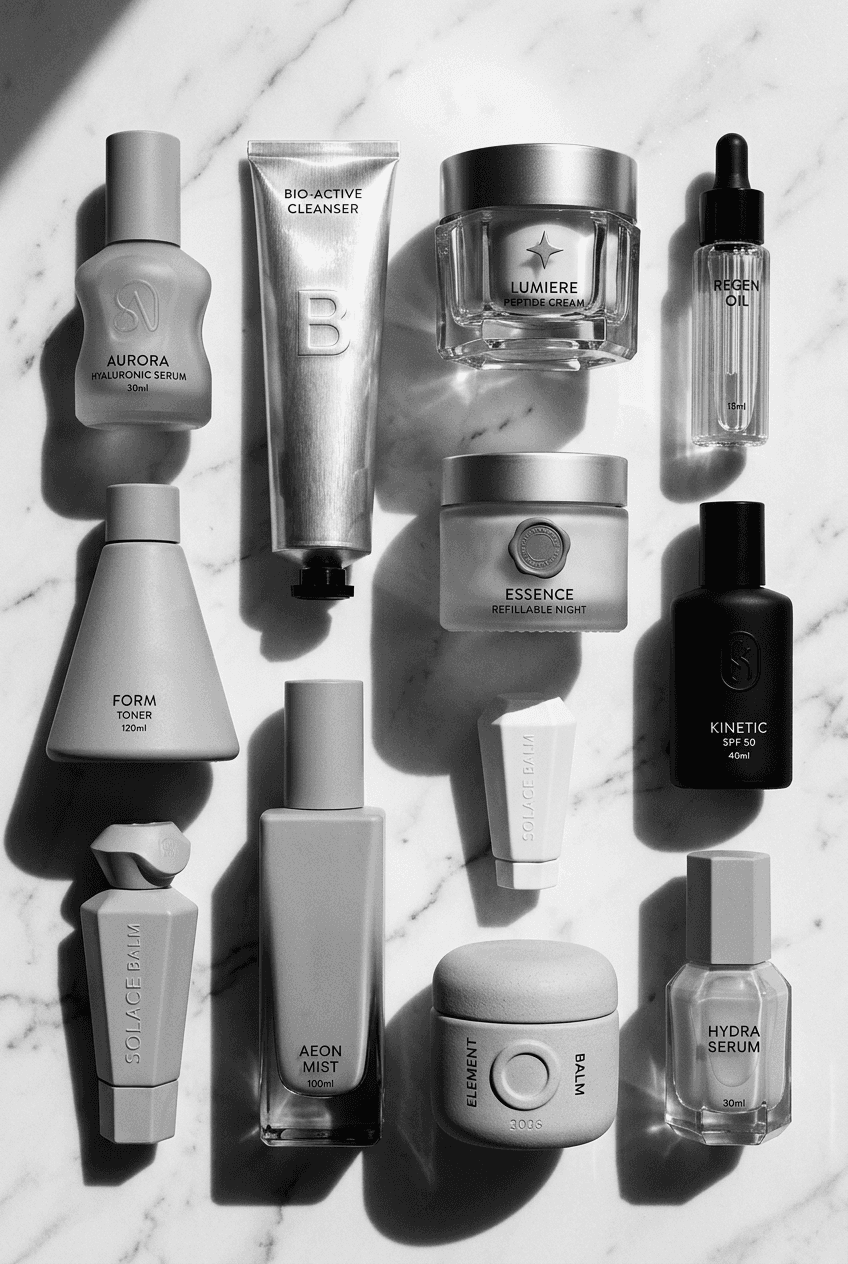
What it is: Packaging designed not as a single-use container but as a durable vessel, with refill pods, cartridges, or sachets for subsequent purchases. The outer packaging becomes a long-term brand relationship asset. What is driving it: Multiple converging forces: increasing regulatory pressure on single-use plastics across the EU and UK; genuine consumer preference for sustainable options in premium beauty; and the commercial logic for brands of higher margin on refills versus full packaging production, once the initial vessel is in the customer's hands. Commercial evidence: A GlobalData consumer survey from 2024 found that 67% of premium beauty buyers in the UK and EU said they would pay a price premium for refillable packaging, with an average premium tolerance of 15-20% above standard product pricing. The Refillable Beauty Report by Euromonitor (2025) projected refillable beauty to be a $5.8 billion market by 2028. Strategic implication: Refillable packaging systems require significant upfront investment in structural design and production tooling. They are most suitable for hero products with high repeat purchase rates. They create a brand interaction that standard packaging does not: the customer keeps the outer packaging on their shelf and interacts with your brand mark every time they refill. This is a brand frequency advantage with real commercial value. Who should use it: Prestige and luxury brands with hero SKUs and loyal repeat-purchase customer bases. Less suitable for brands without established customer retention, where the structural investment does not have a customer base to recoup against.
Trend 3: Clinical and Dermatological Aesthetic
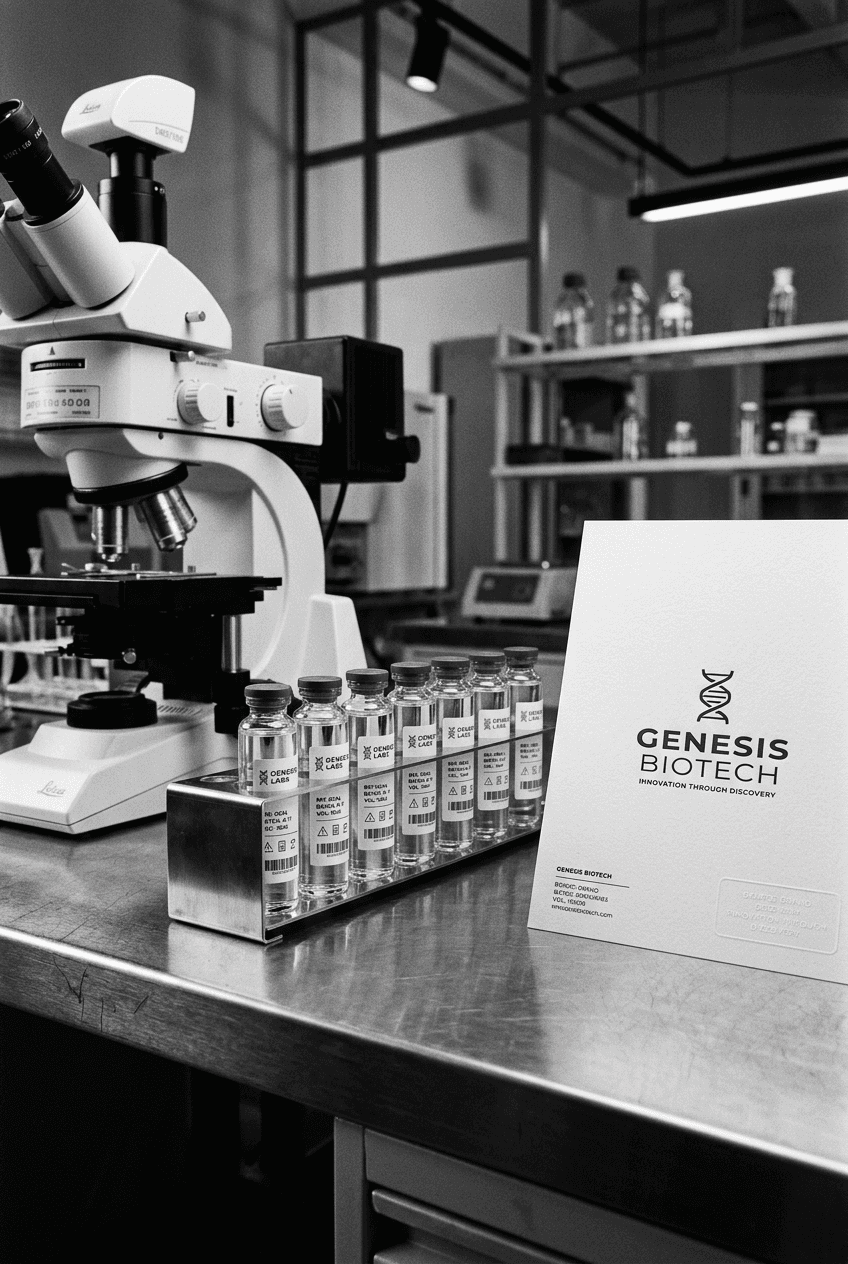
What it is: Packaging visual language borrowed from pharmaceutical and dermatological categories: clean white backgrounds, clinical typography, ingredient-forward communication, medical certification language, and a complete absence of decorative elements. What is driving it: The skincare-ification of beauty purchasing. Buyers in 2026 are more ingredient-literate than any previous generation, and a meaningful segment treats skincare as a health practice rather than a beauty ritual. This buyer segment is actively suspicious of packaging that prioritizes beauty over science. Clinical aesthetics signal that this product has been developed by people who understand the skin at a clinical level. Commercial evidence: CeraVe's trajectory from clinical positioning to the number one skincare brand in the US (surpassing L'Oreal Paris in 2022, per NielsenIQ) demonstrated the commercial power of dermatological aesthetics at scale. This has driven a generation of brands adopting clinical visual language at prestige and accessible prestige price points. Strategic implication: The clinical trend is approaching saturation at certain price tiers. The first-mover advantage has been captured by established brands. Newer entrants using pure clinical aesthetics need genuine clinical credentials (actual dermatologist development or endorsement, evidence-based ingredients, clinical trial data) to justify the visual language. Clinical packaging without clinical substance creates a credibility gap that informed buyers notice and resent. Who should use it: Brands with genuine evidence-based formulation stories, dermatological development credentials, or strong clinical efficacy data. Not suitable for purely sensorial or experiential beauty products.
Trend 4: Tactile Luxury at Scale
What it is: Premium packaging finishes (soft-touch matte, embossing, spot UV, custom print techniques) deployed at accessible prestige and even mass prestige price points, not only at luxury. What is driving it: Technological advancement in packaging production has brought tactile premium finishes within reach of smaller minimum order quantities and lower per-unit costs. Brands that previously needed prestige pricing to justify premium finishes can now incorporate them at accessible price points. Simultaneously, the unboxing experience has become a consumer expectation rather than a luxury differentiator, driven by social commerce. Commercial evidence: A Packaging Europe study from 2024 found that 72% of beauty shoppers said packaging finishes influenced their purchase decision in the premium-to-prestige segment. The same study found that soft-touch finishes specifically increased "premium perception" ratings by 28% compared to standard gloss lamination. Strategic implication: As premium finishes become table stakes at certain tiers, they lose their differentiation value. Luxury brands are already moving to genuinely novel material experiences (custom-cast glass, hand-finished ceramics, bio-based materials with unique tactile properties) to maintain premiumness above the accessible prestige baseline. Accessible prestige brands that invest in tactile richness now are capturing a real conversion advantage before this approach saturates. Who should use it: Almost any brand in the accessible prestige to prestige range can benefit from at least one premium finish as a conversion tool. The key is selecting the finish that aligns with the brand positioning (soft-touch matte for minimalist clinical; hot foil for traditional luxury; embossing for heritage brands).
Trend 5: Transparent Ingredient Communication as Design Feature
What it is: Supplement Facts-style or ingredient-forward label design where ingredient transparency is not a regulatory footnote but a designed feature of the front panel. INCI names, concentration percentages, and formulation claims are featured prominently as brand assets. What is driving it: Consumer trust deficits in the beauty industry. Years of proprietary blend obscuration, misleading "key ingredient" callouts that do not reflect actual concentrations, and greenwashing claims have created a buyer segment actively seeking brands that communicate with radical transparency. The INKEY List, The Ordinary, and Paula's Choice built substantial businesses on ingredient transparency before the trend became mainstream. Commercial evidence: The Ordinary's growth from launch to a business valued at over $1 billion demonstrates the commercial scale available to brands with genuine ingredient transparency positioning. A 2024 Mintel survey found that 58% of skincare buyers in the US and UK actively check ingredient concentrations before purchase, up from 31% in 2020. Strategic implication: Ingredient transparency is a positioning commitment, not a packaging choice. Brands that adopt transparent ingredient communication without genuine formulation transparency will face knowledgeable buyers who will identify the gap. But for brands with genuinely strong formulations, making ingredient transparency a designed visual feature is one of the highest-leverage differentiators available in 2026. Who should use it: Brands with genuinely efficacious formulations and meaningful ingredient concentrations. Most powerful in functional skincare, anti-aging treatments, and evidence-based wellness products.
Trend 6: Heritage and Craft Signaling
What it is: Packaging visual language that communicates longevity, craft, and tradition: artisan typography, hand-drawn illustration elements, craft material finishes, historical or archival reference in design, and a deliberate slowness of visual communication. What is driving it: A cultural counter-movement to the saturation of clinical minimalism and digital-native visual language. Some buyer segments, particularly in fragrance, luxury skincare, and botanical products, are actively seeking brands that feel like they have been around longer than the internet. Heritage signaling creates emotional resonance that clinical and minimal aesthetics cannot. Commercial evidence: The premium fragrance market, where heritage visual language is strongest, grew 14% in 2024 according to the Euromonitor Prestige Beauty report. The growth of indie brands with heritage aesthetics (Aesop's pharmacy aesthetic, Le Labo's laboratory aesthetic) has been a consistent commercial story for over a decade. Strategic implication: Heritage aesthetics require authentic narrative support. A brand founded in 2024 that uses 1920s typography and archival illustration will face credibility questions from buyers who investigate beyond the packaging. The most effective use of heritage signaling is for brands with genuine history or with clearly artisan, founder-led provenance stories. Who should use it: Botanical and natural beauty brands with genuine sourcing stories, fragrance brands with heritage positioning, and founder-led brands with authentic craft credentials.
Trend 7: Digital-Physical Integration
What it is: Packaging that bridges physical and digital: QR codes that lead to genuinely valuable digital experiences (formulation stories, founder content, sustainability transparency), AR-enabled product trials, NFC-linked product authentication, and packaging design that is built for social photography as a primary use case. What is driving it: The convergence of physical retail and digital commerce has made packaging a digital marketing asset as well as a physical conversion tool. TikTok shop and Instagram shopping have made the product photography context a direct purchase driver. Brands whose packaging photographs well in a variety of contexts have a genuine commercial advantage in social commerce. Commercial evidence: A Shopify Commerce Trends 2025 report found that 43% of social commerce beauty purchases in 2024 were driven directly by user-generated unboxing content rather than brand-produced advertising. The packaging is the marketing. A 2024 L2 Digital IQ study found that brands with QR code integrations leading to rich digital content saw 18% higher customer retention than equivalent brands without digital-physical integration. Strategic implication: Digital-physical integration works when the digital experience behind the physical touchpoint is genuinely valuable. QR codes that lead to marketing landing pages are a missed opportunity. QR codes that lead to formulation transparency, founder video, or personalized usage guidance create real customer value. Who should use it: DTC-first brands with strong content capabilities, brands targeting Gen Z and Millennial buyers who are primary social commerce users, and luxury brands where product authentication has commercial value.
How to Use Trend Intelligence Strategically
The practical question for any beauty brand is not "which trends should I follow?" It is "which trend directions align with my positioning and which ones would undermine it?"
A brand with genuine clinical credentials should evaluate the clinical aesthetic trend as a direction that reinforces its positioning rather than contradicts it. A heritage brand with artisan provenance should not adopt precision minimalism simply because it is the dominant prestige signal. A DTC-first brand built for social commerce should think about digital-physical integration before heritage craft aesthetics.
The disciplined approach: identify which trends are aligned with your positioning (use them), which are neutral (ignore them), and which contradict your positioning (deliberately avoid them). Trend following without positioning discipline produces visual incoherence.
FAQ: Beauty Packaging Trends 2026
What are the top beauty packaging trends for 2026?
The seven major beauty packaging trend directions in 2026 are: precision minimalism, refillable and regenerative packaging systems, clinical and dermatological aesthetic, tactile luxury at accessible price points, transparent ingredient communication as design feature, heritage and craft signaling, and digital-physical integration. Each trend is driven by specific consumer psychology shifts and has different relevance depending on brand positioning.
Should I follow beauty packaging trends?
Selectively and strategically. Trends that align with your positioning are worth incorporating. Trends that contradict your positioning are worth understanding so you can deliberately avoid them. Trend following without strategic rationale produces visual inconsistency that confuses buyers rather than converting them.
How quickly do beauty packaging trends change?
Major structural trends in beauty packaging (the shift toward minimalism, the sustainability direction, the clinical aesthetic) operate over 3-5 year cycles. Micro-trends in specific finishes, colors, or decorative elements cycle faster, often 12-18 months. For packaging investment decisions, which involve significant production costs, focusing on the structural trends (which persist) is more practical than chasing micro-trends.
What is the biggest beauty packaging trend for 2026 in terms of commercial impact?
Refillable packaging systems have the highest commercial impact potential in 2026 for premium beauty brands, because they create a long-term customer relationship, reduce repeat-purchase barrier, and benefit from increasing regulatory and consumer sustainability pressure simultaneously. The investment is significant, but the commercial logic is strong for brands with high repeat-purchase rates.
How does sustainability affect beauty packaging in 2026?
Sustainability has moved from a niche differentiator to a baseline expectation in premium and prestige beauty. The most commercially relevant sustainability signal in 2026 is refillable formats rather than just material certification. Buyers in premium segments are willing to pay more for refillable packaging and have higher loyalty to brands that deliver it. At mass market tiers, recyclability labeling and reduced packaging weight are more commercially relevant.
What beauty packaging trends are losing relevance in 2026?
Holographic and iridescent finishes (oversaturated across all price tiers), general earth-tone organic aesthetics without genuine sustainability credentials (greenwashing skepticism has grown significantly), and maximalist floral illustration (associated with earlier indie beauty waves rather than current positioning). These are not dead aesthetics, but they no longer create differentiation.
I'm Tambi Haspak, a brand strategist and creative director with an unfair advantage: I'm a pharmacist. I run a creative studio for cosmetics, supplements and beyond. 17 years. Exclusively. If you want packaging that uses trend intelligence strategically rather than decoratively, book a call or email me.