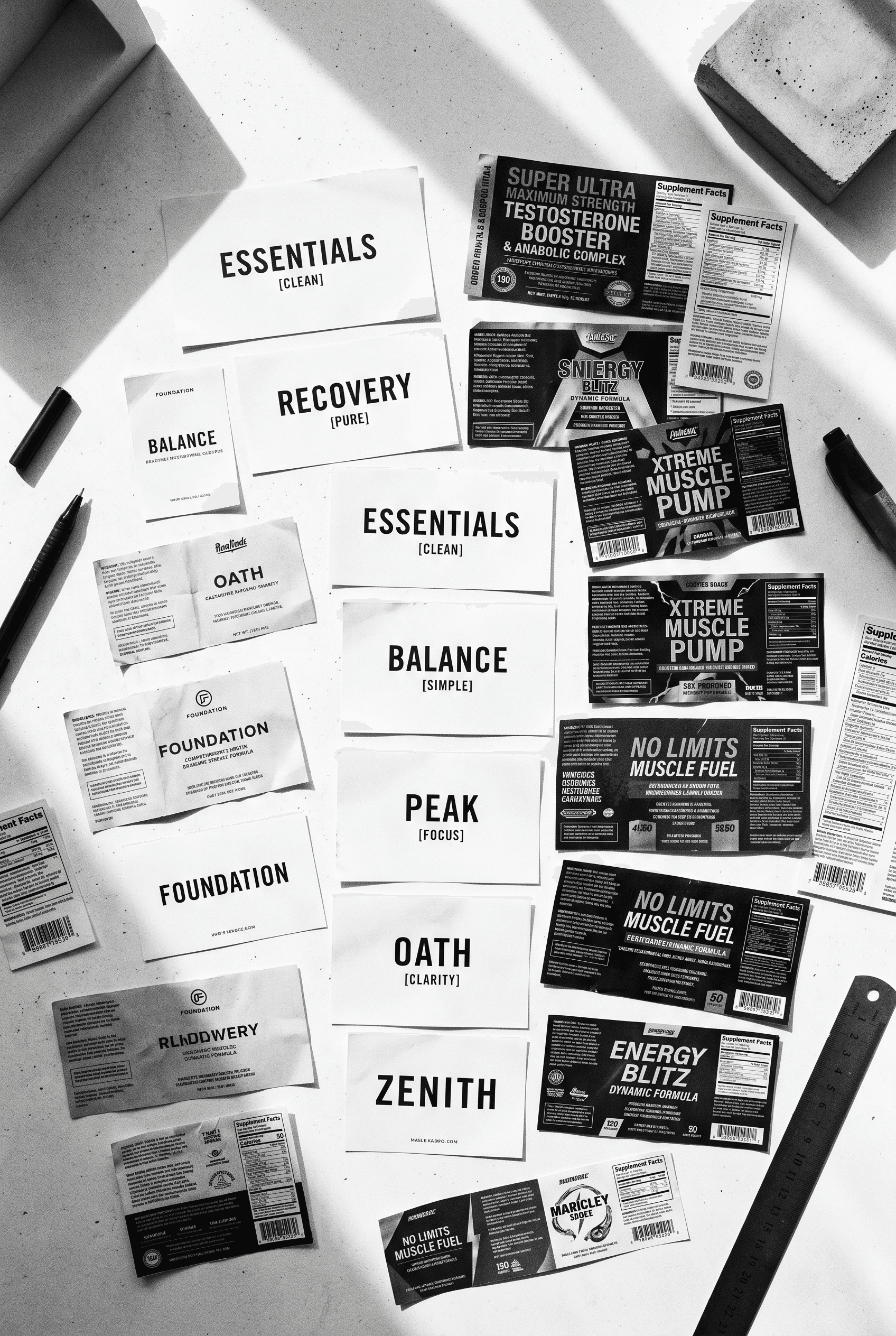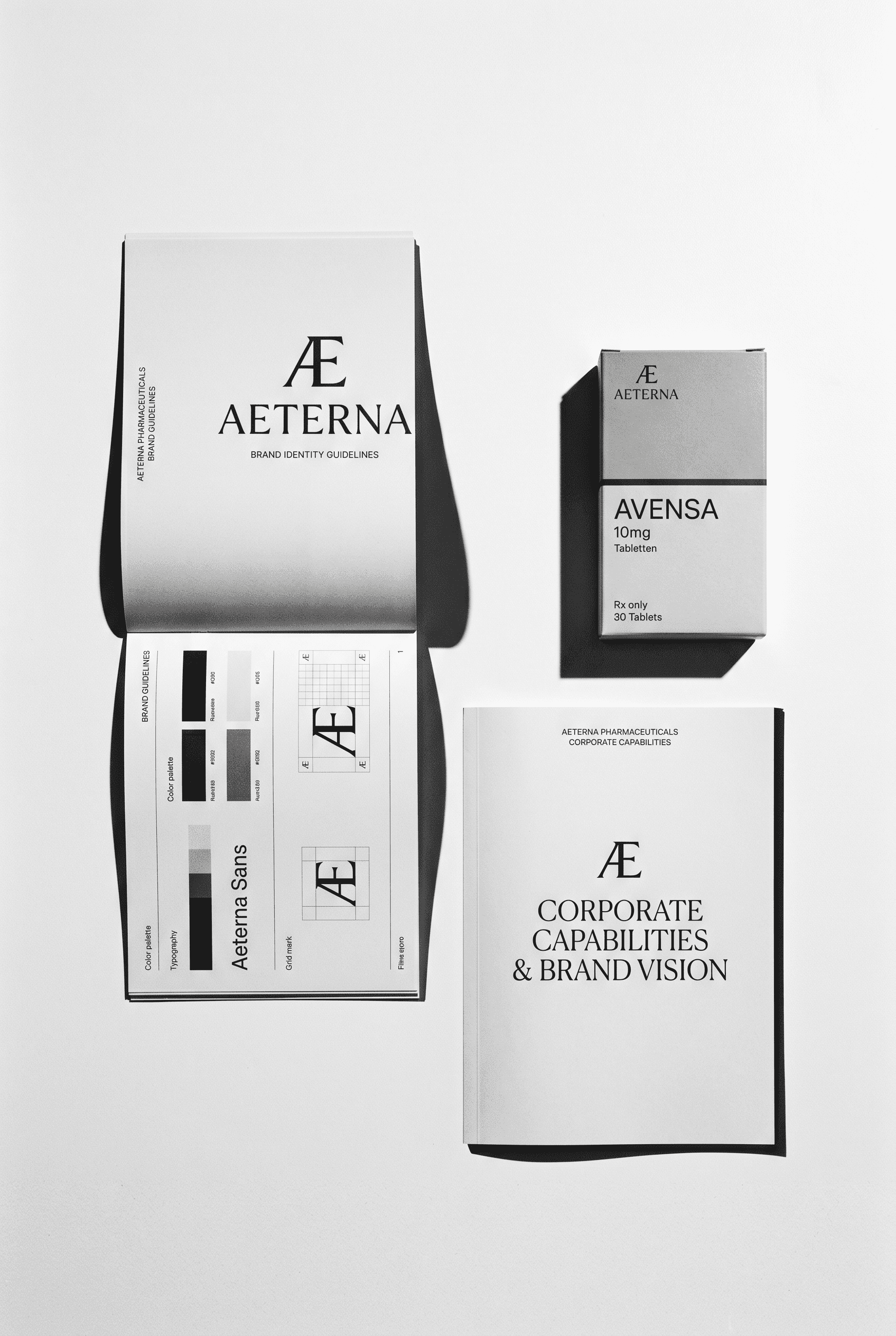

A life sciences branding agency that cannot engage with your science will build you a brand that looks professional and communicates nothing that actually differentiates you.
What "Life Sciences Branding" Actually Means
Life sciences branding covers the identity work for companies operating at the intersection of biology, medicine, and commercial markets. This includes biotech, pharmaceutical, medtech, diagnostics, clinical research organizations, nutraceutical companies, and cosmeceutical brands. The common thread is that the product or service is governed by scientific evidence and regulatory frameworks that most branding agencies have never worked within.
The global life sciences market was valued at $2.6 trillion in 2023, according to Deloitte, and it is growing at over 6% annually. That scale has produced a large population of agencies claiming life sciences branding expertise. Most of those claims are thin. An agency that has done two pharmaceutical packaging projects and one medtech website is not a life sciences specialist. It is a generalist agency with adjacent experience.
The consequences of choosing the wrong agency are significant. A brand built without scientific literacy will not differentiate the company's scientific proposition. A brand built without regulatory awareness will produce materials that require legal revision before they can be used. A brand built without understanding of the life sciences investor and clinical community will fail in the relationships that determine funding and commercial success.
I am a pharmacist and creative director with 17 years of experience building brands exclusively in life sciences, cosmetics, and supplements. This guide explains what genuine life sciences branding expertise looks like and how to identify it before you engage an agency.
Why Generalist Agencies Fail in Life Sciences
The failure mode of generalist agencies in life sciences branding is consistent and predictable.
Capability | Specialist Life Sciences Agency | Generalist Agency With Some Healthcare Experience |
|---|---|---|
Scientific literacy | Can engage with mechanism of action and pipeline data | Relies entirely on client to translate scientific content |
Regulatory knowledge | Understands FDA, EMA, and securities communication constraints | Treats regulatory review as a post-design checkpoint |
Multi-audience architecture | Designs for investor, HCP, and patient audiences simultaneously | Defaults to single-audience design thinking |
Category visual language | Knows what differentiates and what constitutes generic category wallpaper | Applies visual conventions from healthcare marketing and consumer branding |
Portfolio depth | Multiple projects across indication areas and company stages | One or two life sciences projects alongside primarily consumer work |
Naming expertise | Understands INN conventions, phonetic testing, and global regulatory constraints | General brand naming methodology with no category-specific knowledge |
These gaps are not bridgeable through research. An agency cannot read three oncology company websites and develop the scientific literacy to build a differentiated oncology brand. The understanding of what makes a scientific proposition distinctive, what the competitive scientific landscape looks like, and what the investor and clinical audience needs to trust requires experience built across many projects in the category.
The Specific Capabilities a Life Sciences Branding Agency Must Have
Scientific literacy in the strategy function
The strategists who work on life sciences projects must be able to engage with scientific content independently. This means reading a pipeline summary, identifying the mechanism of action, understanding what the clinical differentiation claim is, and translating that into strategic brand territory before any design begins.
An agency without this capability produces strategy based on what the client tells them, which means the brand strategy is only as good as the client's own articulation of their differentiation. For a pre-clinical biotech company, where the science is the primary commercial asset, this is a catastrophic limitation.
Ask directly: which member of the strategy team has a scientific or clinical background, and what is their role in the process?
Regulatory communication fluency
Life sciences brand communications are governed by a complex web of regulatory frameworks. Pharmaceutical advertising is regulated by the FDA in the US and the EMA in Europe. Biotech companies' investor communications are governed by SEC rules on material disclosures. Supplement marketing is governed by FTC guidelines. Cosmeceutical claims sit at the boundary between cosmetic and drug claims.
An agency that does not understand these constraints will design materials that look excellent and create compliance problems. This is not a hypothetical risk. It is the single most common failure mode in life sciences branding work.
Portfolio across the full life sciences spectrum
The branding requirements of a pre-clinical gene therapy company are fundamentally different from those of a consumer nutraceutical brand, even though both fall under "life sciences." A genuine specialist will have a portfolio that spans multiple segments of the life sciences space and multiple company stages, and they will be able to articulate the strategic reasoning that drives the visual differences between those projects.
For the specific branding requirements of biotech companies at different development stages, see my guide to biotech brand strategy.
Materials that operate across the full brand ecosystem
A life sciences company's brand must function across investor materials, regulatory submission documents, conference exhibition, clinical trial documentation, HCP-facing literature, patient information, and digital channels simultaneously. An agency that designs a logo and a website in isolation will produce work that fragments when it is applied to the full range of materials the company actually needs.
For the complete picture of what a life sciences brand identity must deliver, see my guide to life sciences brand identity.
Questions to Ask Before Engaging a Life Sciences Branding Agency
Who on your strategy team has a scientific or clinical background?
This is the most important question. If no one in the strategy function has a life sciences background, the scientific differentiation of your company will not reach the brand.
Can you walk me through a recent life sciences brand strategy document before design?
Ask to see the actual strategic output before design begins. If the "strategy" is a compiled client questionnaire or a mood board, the agency is not conducting independent strategic analysis. A genuine strategy document maps the competitive visual and scientific landscape, identifies specific differentiation opportunities, and connects those opportunities to naming, visual, and messaging decisions.
How do you handle regulatory constraints in brand communications?
The wrong answer is that they send materials to the client's legal and regulatory team after design. The right answer is that they integrate regulatory considerations into the brief before any creative work begins.
What happened to the brands you built?
Good life sciences branding agencies track outcomes. They should be able to speak to funding rounds that followed a rebrand, partnerships that were supported by improved brand communications, or clinical trial recruitment that was assisted by clearer patient-facing materials.
Who specifically works on each project?
The senior people who pitch the work are frequently not the people who execute it. Ask for the names of the specific individuals who will work on your project and verify their life sciences backgrounds directly.
The Difference Between Life Sciences Branding and Healthcare Marketing
This distinction matters practically. Healthcare marketing agencies produce campaigns, promotional materials, and advertising for approved healthcare products. They are optimized for message reach, audience targeting, and campaign ROI. Life sciences branding agencies build the foundational identity from which all communications derive.
Hiring a healthcare marketing agency to build the brand identity for a pre-approval biotech company is a category error. The company does not yet have a product to advertise. It has a scientific proposition, a development pipeline, and a need to build trust with investors, partners, and eventually regulators. That is a branding problem, not a marketing problem.
For an explanation of how this distinction applies specifically in the pharmaceutical segment, see my guide to pharmaceutical branding. For the biotech-specific version, see my guide to biotechnology brand identity.
Red Flags in a Life Sciences Branding Agency Pitch
They show you a portfolio of primarily consumer brands
A portfolio that is primarily consumer brands with a few pharmaceutical or biotech projects indicates a generalist agency seeking to enter the life sciences space, not a specialist with genuine category depth.
Their first meeting focuses on aesthetics and brand personality
A life sciences branding agency that opens with mood boards, color palette preferences, and questions about brand adjectives has not engaged with the scientific substance of the project. The first meeting should focus on the science, the competitive landscape, and the specific differentiation challenge.
They propose a timeline shorter than 12 weeks for a full identity
Building a differentiated life sciences brand identity, from strategy through visual system to guidelines, takes 12 to 20 weeks for a serious project. An agency proposing 6 to 8 weeks is cutting the strategy phase to fit a price or a client preference for speed. The strategy phase is where differentiation is built. Compressing it produces generic output.
They cannot name anyone in your indication area or technology category
A genuine life sciences branding specialist knows who the players are in the major indication areas and technology categories. They should be able to orient your company's scientific proposition within its competitive landscape without needing you to explain the landscape to them.
For a detailed guide to what a specialist biotech branding agency should deliver, see my guide to how to choose a biotech branding agency.
FAQ: Life Sciences Branding Agency
What does a life sciences branding agency do?
A life sciences branding agency builds the strategic and visual identity for companies in biotech, pharma, medtech, diagnostics, nutraceuticals, and adjacent health sciences. The work includes brand strategy and positioning, naming, visual identity design, brand guidelines, and the design of materials across investor, regulatory, HCP, and patient-facing channels.
How much does a life sciences branding agency cost?
A full brand identity for a life sciences company, covering strategy, visual identity, guidelines, and core materials, typically costs $25,000 to $90,000 depending on company stage, scope, and the specialization depth of the agency. Pre-clinical biotech projects at the higher end typically involve more complex multi-audience architecture and naming work.
How do I find a genuine life sciences branding specialist?
Look for agencies whose portfolio is composed primarily of life sciences work across multiple segments and company stages. Ask about the scientific or clinical backgrounds of the strategy team. Ask for the strategy documents and brand guidelines from previous projects. Verify that the principals you meet are the people who will work on your project.
Can a general branding agency do life sciences work if they're willing to research the category?
A generalist agency can produce visually competent life sciences work. The limitation is at the strategy level: building a genuinely differentiated life sciences brand identity requires scientific literacy that cannot be acquired through research alone. The differentiation decisions that determine long-term brand equity require an understanding of the scientific landscape that comes from experience, not from reading.
What is the difference between life sciences branding and pharmaceutical marketing?
Life sciences branding builds the foundational strategic and visual identity. Pharmaceutical marketing produces campaigns and promotional materials for approved products. Branding happens before products exist. Marketing happens after they are approved. The two disciplines require different skills and different agency relationships.
I'm Tambi Haşpak, a brand strategist and creative director with an unfair advantage: I'm a pharmacist. I run a creative studio for life sciences, cosmetics, and supplements. 17 years. Exclusively. The brands I build are differentiated by the science, not despite it. Book a call or send me an email.