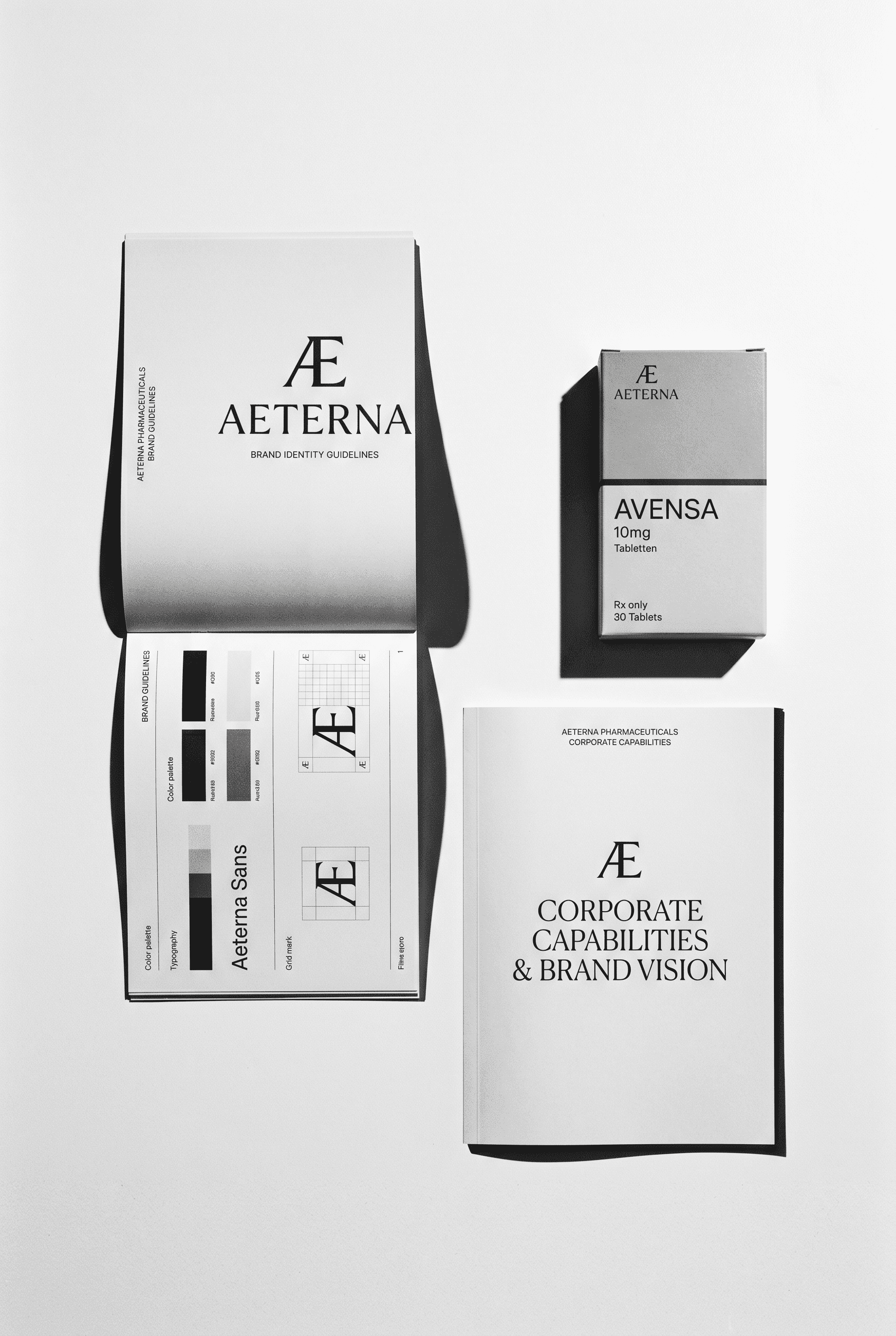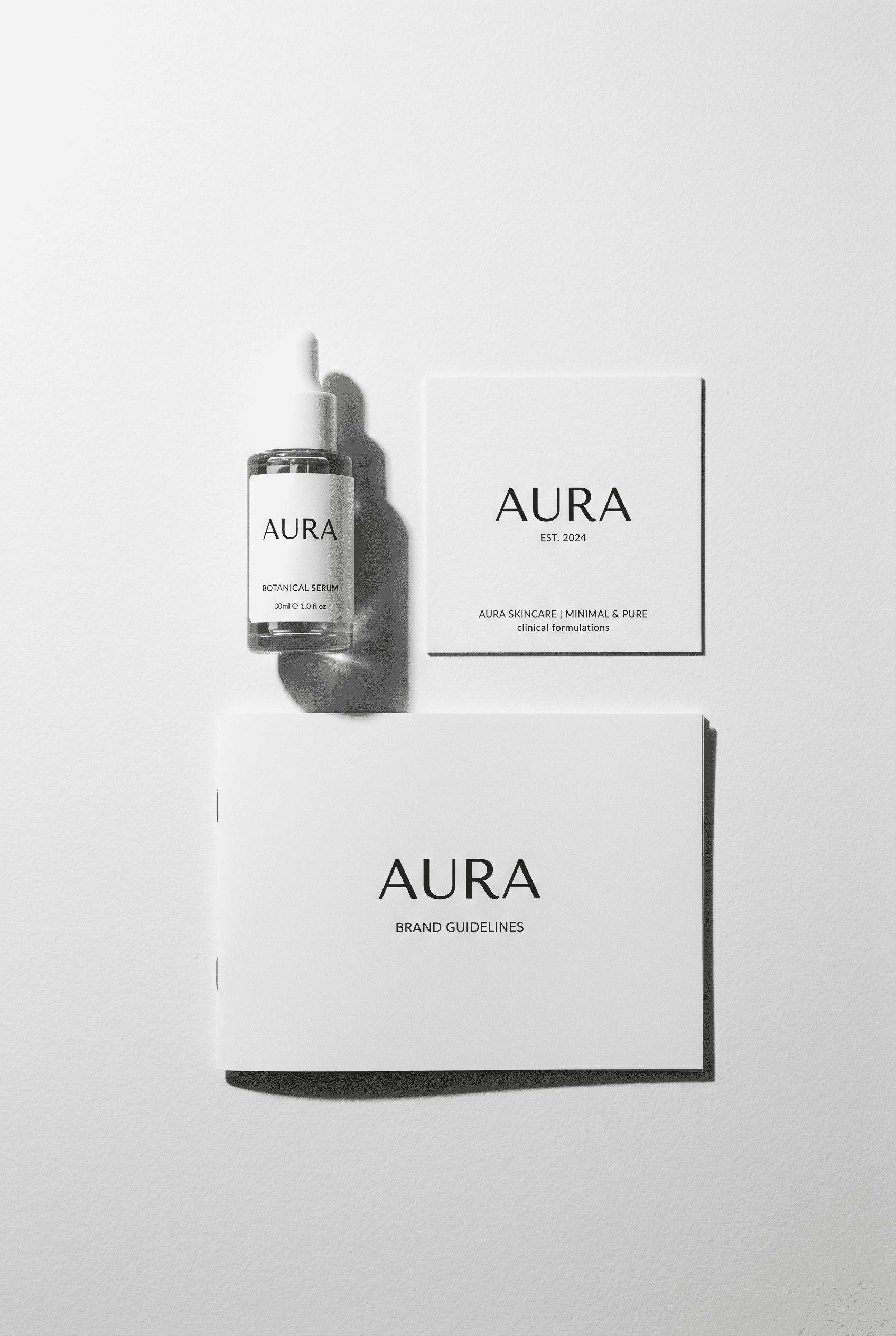

A skincare startup brand built before the customer is defined is not a brand. It is a set of design assets that will need to be replaced when the customer finally becomes clear.
The Skincare Startup Branding Problem
The skincare industry is one of the most crowded consumer categories in the world. There are more than 30,000 registered skincare brands in the United States alone, and the number of new brand launches increases every year as formulation barriers fall and DTC infrastructure becomes more accessible. In this environment, a skincare startup's brand is its primary competitive asset before it has sales data, distribution, or a customer base large enough to generate word of mouth.
The problem is the sequence. Most skincare startup founders treat branding as the final step before launch. They choose a formula, select a contract manufacturer, pick packaging components from a catalogue, and then brief a designer to "make it look premium." The result is a brand identity that expresses the founder's aesthetic preferences rather than a differentiated position in the market.
I have been building skincare and cosmetics brands for 17 years, as a pharmacist and creative director. The startups that succeed at brand building share a common trait: they do strategy before they do design, and they define their customer before they define their aesthetic.
This guide explains what skincare startup branding must accomplish, in what sequence, and what the critical decisions are at each stage.
What a Skincare Startup Brand Must Do
A skincare startup brand has to accomplish several things simultaneously that established brands can take for granted.
Function | Established Skincare Brand | Skincare Startup |
|---|---|---|
Trust | Built through years of customer experience and reputation | Must be established entirely through brand signals |
Awareness | Supported by existing customer base and media coverage | Zero: must be built from the brand up |
Differentiation | Can rely on brand history and product heritage | Must be explicit and immediate |
Channel fit | Proven in current distribution channels | Must signal credibility for the target channel from day one |
Price anchoring | Established by past sales | Set entirely by brand positioning |
Customer expectation | Shaped by existing product experience | Shaped entirely by brand communications |
Each of these functions places demands on the startup brand that a mature brand can take for granted. The startup brand must work harder and be more explicit in its positioning because it has no brand equity to draw from. A positioning that is vague or generic will result in a brand that a customer cannot explain to a friend and a retailer cannot explain to a buyer.
The Right Sequence for Skincare Startup Branding
Step 1: Define the specific customer
Not the broad target ("women 25 to 45 who care about their skin"). The specific customer. What is their current skincare routine? What is not working about it? What would they need to believe about a new product to try it? What are the other brands they currently use or aspire to use?
This specificity is the foundation for every subsequent branding decision. The brand name, the visual identity, the packaging, the price point, and the channel strategy all derive from the customer definition. A vague customer produces a vague brand.
Step 2: Identify the specific market position
Map the competitive landscape. Where are the meaningful spaces in the market? Where is the brand going to be uniquely credible given the founder's background, the formula's specific capabilities, or the target customer's unmet need?
For a complete guide to building brand strategy before any design work begins, see my guide to cosmetics brand strategy. For a framework for defining positioning in a saturated market, see my guide to cosmetics brand positioning.
Step 3: Name the brand strategically
The brand name is the first brand decision that is visible to customers, retailers, and investors. It must be available as a trademark, work across digital channels, and carry the positioning clearly. For detailed naming guidance, see my guide to skincare brand naming.
Step 4: Design the visual identity
Only after the strategy, the customer definition, and the name are finalized should visual identity work begin. The visual identity expresses the positioning through typography, color, and design language. A visual identity that is designed without a strategy document will default to the designer's aesthetic preferences and the current category visual conventions.
Step 5: Design packaging as a strategic object
Packaging is the most expensive part of skincare startup branding and the most consequential. It is the brand's primary touchpoint with the customer at the point of purchase and in daily use. Packaging decisions made without a packaging brief that reflects the brand strategy produce packaging that looks fine and positions nothing.
For the complete guide to writing a packaging brief that gets great design, see my guide to skincare packaging brief.
The Four Skincare Startup Branding Mistakes That Cost the Most Money
1. Designing before strategizing
The most expensive mistake in skincare startup branding. A founder who invests in logo design, packaging design, and a website before completing brand strategy will almost always need to rebuild significant portions of the brand identity once the strategy is defined. The cost of this rework typically exceeds the cost of doing the strategy first.
2. Choosing components before choosing positioning
Selecting packaging components from a contract manufacturer's catalogue before the brand's channel strategy and price positioning are defined locks the brand into a packaging expression that may be wrong for the market it is trying to enter. Premium DTC brands, pharmacy brands, and spa brands have different packaging requirements. Committing to components before the channel is clear is a decision that is expensive to reverse.
3. Building a brand that looks like the category
The skincare startup that builds a brand by looking at successful brands in the market and choosing a similar aesthetic will produce a brand that looks like a good version of what already exists. In a saturated market, looking like the category is not a positioning. It is invisibility. For a framework for using brand archetypes to find a distinctive position, see my guide to skincare brand archetypes.
4. Underinvesting in the brand before fundraising
If the startup intends to raise capital, the brand is part of the fundraising materials. Investors evaluate the brand as a signal of the founder's market understanding and commercial judgment. A startup brand that is visually generic or strategically unclear signals that the founder has not thought rigorously about the market position. For the complete guide to building a skincare brand from strategy to shelf, see my guide to how to brand a skincare line.
How Much a Skincare Startup Brand Should Cost
Brand investment at the startup stage should be calibrated to the stage of development, not to the founder's aspiration for what the brand will eventually look like.
At pre-seed stage (concept to first product), the brand investment should cover strategy, naming, logo, and foundational visual guidelines. This does not require a full agency engagement. A focused specialist who works in the skincare category can deliver this for $5,000 to $15,000 and produce a brand platform that is strategically defensible and extensible as the company grows.
At seed stage (first product to initial distribution), the brand investment should cover packaging design, website, and the first iteration of brand guidelines. This is typically $10,000 to $30,000, depending on the number of SKUs and the complexity of the channel strategy.
The mistake is investing seed-stage money at the pre-seed stage. Spending $40,000 on a complete brand identity system before the product has been tested with any customer is poor capital allocation. The brand will need to evolve as product-market fit is established, and elaborate systems built before that evolution are expensive to change.
For a complete picture of what skincare branding costs at each stage of development, see my guide to skincare branding cost.
FAQ: Skincare Startup Branding
When should a skincare startup invest in branding?
Strategy and naming should happen before any product development or manufacturing investment. Visual identity and packaging should happen after the formula and target channel are defined. Website and marketing materials come after the visual identity is established. The key principle is that design decisions should follow strategic decisions, not precede them.
Do I need a branding agency for a skincare startup?
Not necessarily. A branding agency makes sense when the founder has the budget, when the strategic complexity warrants it, or when the target channel (premium retail, professional distribution) requires a brand presentation level that demands agency execution. Many successful skincare startups have been built with a strategist and a designer working independently, provided both have skincare category experience.
How do I know if my skincare startup brand is working?
The test is whether people who encounter the brand once can describe it accurately to someone else. If the positioning is clear, the target customer specific, and the visual identity distinctive, a customer can explain the brand. If they describe it as "a clean skincare brand" or "a natural brand," the positioning is not specific enough to create preference.
Can I build a skincare brand on a small budget?
Yes, but with discipline. The priority order for limited budgets is: strategy first (can be done with a consultant engagement rather than a full agency), naming second, then a focused visual identity. Packaging and digital should follow, not precede. Many founders invert this priority order and spend their limited budget on photography and social content before the brand strategy is defined.
How is skincare startup branding different from established skincare brand strategy?
The startup brand must do in one encounter what an established brand has built over years. Every touchpoint must work harder to establish trust, communicate differentiation, and create purchase intent. The startup brand cannot rely on heritage, social proof, or retail presence to do any of that work. This means the strategic clarity required of a startup brand is actually higher than that required of an established brand.
What should a skincare startup brand definitely not do?
Do not name the brand after an ingredient. Do not choose packaging primarily on the basis of cost. Do not build a brand that looks like the market leader in your target category. Do not invest in brand identity before customer research. Do not launch with more than three to five SKUs, because the brand must be focused enough to be understood immediately.
I'm Tambi Haşpak, a brand strategist and creative director with an unfair advantage: I'm a pharmacist. I run a creative studio for life sciences, cosmetics, and supplements. 17 years. Exclusively. The skincare brands I build at the startup stage are built to last, not to be rebuilt. Book a call or send me an email.