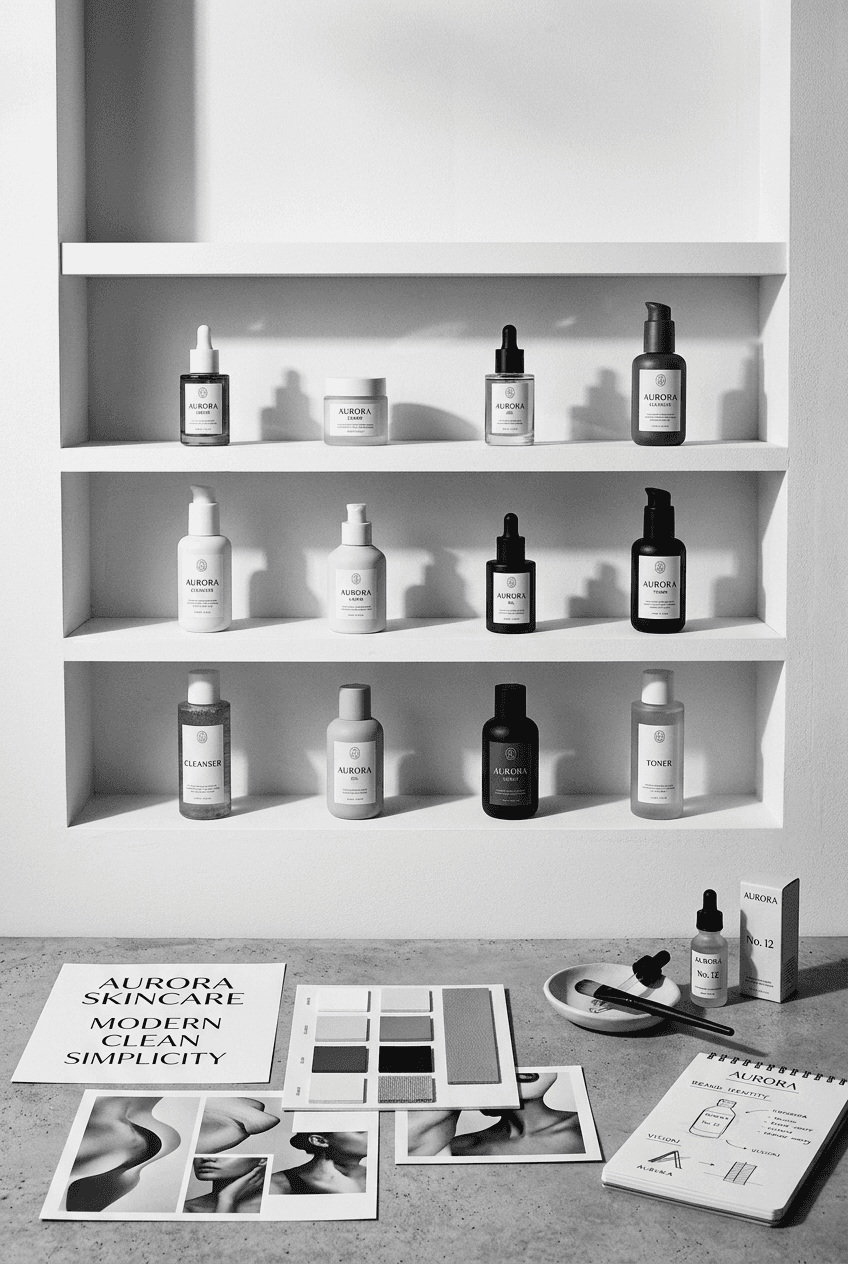

The archetype you choose flows into everything: your packaging color, your logo shape, your product photography, your tone of voice, and ultimately whether customers trust you enough to put you on their face.
What Are Brand Archetypes and Why They Matter in Skincare
Brand archetypes are psychological frameworks that describe universal human personalities and behaviors. Carl Jung identified twelve core archetypes that repeat across cultures and throughout history. In skincare branding, these archetypes become business strategy. When you choose an archetype, you are choosing how your brand relates to customers emotionally, how it solves problems, and what values it represents. According to consumer psychology research published in the Journal of Brand Strategy, consumers are 71% more likely to repurchase a skincare brand whose personality feels authentic and consistent across all touchpoints. Skincare is intimate and personal; your brand must feel like it understands the person using it.
The twelve Jungian archetypes can be understood as twelve different ways to approach skincare branding. The Caregiver archetype offers nurturing and protection. The Sage offers knowledge and truth. The Lover archetype offers desire and connection. The Everyman offers accessibility and belonging. The Innocent archetype offers hope and happiness. The Explorer offers adventure and freedom. The Outlaw offers disruption and transformation. The Magician offers mystery and possibility. The Hero offers strength and victory. The Lover offers intimacy and beauty. The Jester offers fun and spontaneity. The Sage and Creator overlap in different ways. When I design a skincare brand, I begin by identifying which archetype best represents the brand's core promise and the customer's core desire. Everything flows from that choice.
The Caregiver Archetype: Skincare That Feels Like Self Care
The Caregiver skincare brand is built on nurturing and unconditional support. These brands communicate that skincare is not about vanity; it is about caring for yourself the way you would care for someone you love. The visual identity of a Caregiver skincare brand typically uses soft, warm colors. Think muted peaches, soft greens, and warm neutrals. The typography is approachable and warm, often with generous whitespace that signals abundance and safety. The packaging photography shows human connection, comfort, and gentle care. Product shots show the cream in someone's hand, being applied with tenderness.
Brands like Cetaphil and CeraVe operate in the Caregiver archetype space. Their packaging is simple and warm. Their language emphasizes gentleness and healing. Their visual identity feels like the skincare equivalent of warm blankets and tea. When designing a Caregiver skincare brand, I avoid sharp angles, dramatic colors, or aggressive claims. The visual system should feel like a hug. The tone is reassuring and patient. The brand understands that skincare is part of self-love, not self-obsession. The comparison table below shows how different archetypes use packaging design to communicate their personality.
The Sage Archetype: The Expert Authority Brand
The Sage skincare brand is built on truth, knowledge, and expert analysis. These brands lead with education and transparency. A Sage skincare customer wants to understand the science. They want ingredient lists, clinical studies, and honest assessment of what works and what does not. The visual identity of a Sage brand is typically clean, modern, and explicitly professional. Think clinical whites, deep blues, and professional sans-serifs. The packaging includes visible ingredient lists, percentages, and research citations. The brand voice is authoritative but never condescending.
Brands like The Ordinary exemplify the Sage archetype in skincare. Their packaging is minimal and information-heavy. Their communication is transparent about what works, what does not, and what needs more research. They charge reasonable prices and do not hide behind marketing language. When designing a Sage skincare brand, I emphasize clarity over emotional appeal. The visual system should look like scientific research made beautiful, not scientific research made marketable. The typography is clean and legible. The color system uses neutrals with strategic accent colors that signal precision. The brand positioning is "I know what I am talking about, and you can verify this yourself."
The Innocent Archetype: Hope, Happiness, and Fresh Start
The Innocent skincare brand is built on optimism and the promise of transformation. These brands communicate that clear skin equals happiness and that skincare is within reach for everyone. The visual identity is bright, hopeful, and friendly. Think pale pinks, soft peaches, and clean whites. The typography is rounded and approachable. The packaging photography shows bright, clear skin and genuinely happy people. The tone is positive and encouraging without being false.
Brands like Glossier operate in the Innocent archetype space. Their branding is optimistic and inclusive. Their packaging feels like a fresh start. Their language suggests that skincare is easy, fun, and achievable. Their visual identity is bright and youthful but never condescending. When designing an Innocent skincare brand, I focus on accessibility and hope. The visual system should feel achievable and democratic. The color palette is warm and inviting. The messaging avoids complexity and emphasizes simplicity. The brand promise is "your best skin is closer than you think."
The Lover Archetype: Desire, Sensuality, and Connection
The Lover skincare brand is built on desire, beauty, and the sensuality of skincare as an intimate ritual. These brands understand that skincare is not just functional; it is about feeling beautiful and desirable in your own skin. The visual identity is rich, sensual, and often luxurious. Think jewel tones, gold accents, and sophisticated typography. The packaging has a tactile quality. The product photography emphasizes texture, beauty, and desirability. The tone is intimate and seductive without being inappropriate.
Brands like La Mer and Augustinus Bader operate partially in the Lover archetype space. Their packaging feels precious and beautiful. Their communication suggests that skincare is an act of self-love and self-adornment. Their visual identity feels like a luxury experience. When designing a Lover skincare brand, I emphasize sensuality, beauty, and intimacy. The visual system should feel like something beautiful is happening. The color palette is often jewel-toned or warm and luxurious. The typography is elegant and refined. The brand promise is "you deserve to feel beautiful in your own skin."
The Creator Archetype: Innovation, Self Expression, and Formulation
The Creator skincare brand is built on innovation and the unique formulation that solves a specific problem. These brands communicate that skincare is an art form and that the founder had a unique vision. The visual identity is modern and distinctive, often with unconventional color combinations. The typography might be custom or distinctly chosen. The packaging stands out because it is visually unique, not because it follows category norms. The tone is passionate about the specific problem being solved.
Brands like Drunk Elephant and The Inkey List operate in the Creator archetype space. Their packaging is distinctive and their formulations are intentional. Their communication is about the founder's vision and the specific problem they solved. Their visual identity is modern and instantly recognizable. When designing a Creator skincare brand, I lean into distinctiveness and innovation. The visual system should feel like a specific vision, not a generic category design. The color palette might break category rules. The typography might be custom or surprisingly chosen. The brand promise is "I solved a problem that nobody else understood."
The Hero Archetype: Strength, Results, and Transformation
The Hero skincare brand is built on delivering visible results and overcoming skin challenges. These brands communicate that skincare is a battle, and they are your ally in winning that battle. The visual identity is strong and confident. Think bold colors, clean lines, and powerful typography. The packaging is visually assertive. The product photography shows before-and-after transformations or results-focused imagery. The tone is confident and empowering. The brand voice suggests that the customer is strong and capable, and the skincare is the tool that helps them succeed.
Brands like Proactiv and Differin operate in the Hero archetype space. Their packaging is bold and assertive. Their communication emphasizes results and transformation. Their visual identity feels confident and capable. When designing a Hero skincare brand, I emphasize strength and efficacy. The visual system should feel powerful and results-driven. The color palette often includes bold, confident colors. The typography is strong and clear. The brand promise is "I will help you win the battle against your skin concern."
The Everyman Archetype: Accessibility, Belonging, and Relatability
The Everyman skincare brand is built on accessibility, affordability, and the understanding that skincare is normal and necessary, not luxurious. These brands communicate that good skincare should be available to everyone, regardless of budget. The visual identity is unpretentious and straightforward. Think honest colors, simple typography, and no-nonsense packaging. The brand voice is friendly and relatable. The tone suggests "this is skincare for regular people, not celebrities."
Brands like Neutrogena and Cetaphil operate in the Everyman archetype space. Their packaging is simple and functional. Their communication is straightforward and honest. Their visual identity is approachable and unglamorous. When designing an Everyman skincare brand, I avoid pretension and complexity. The visual system should feel honest and straightforward. The color palette is simple and functional. The typography is clear and legible. The brand promise is "good skincare is for everyone."
The Outlaw Archetype: Disruption, Breaking Rules, and Revolution
The Outlaw skincare brand is built on challenging category norms and offering something radically different. These brands communicate that traditional skincare is wrong and that they are here to change it. The visual identity is deliberately unconventional. The color palette might break category rules. The typography might be unexpected. The packaging might look like nothing else on the shelf. The tone is provocative and confident. The brand voice suggests that questioning skincare norms is not just acceptable, it is necessary.
Brands like Goop and some indie skincare startups operate in the Outlaw archetype space. Their packaging is deliberately different. Their communication challenges skincare conventions. Their visual identity is unconventional by design. When designing an Outlaw skincare brand, I lean into disruption and difference. The visual system should feel deliberately unconventional. The color palette might be surprising. The typography might be unexpected. The brand promise is "everything you know about skincare is wrong, and I am here to fix it."
The Magician Archetype: Mystery, Transformation, and Possibility
The Magician skincare brand is built on mystery, transformation, and the promise of magical results. These brands communicate that skincare is an art and a science, and something almost supernatural is happening. The visual identity is sophisticated and slightly mysterious. The packaging uses unexpected color combinations or finishes. The typography is elegant and distinctive. The product photography hints at the science without explaining it fully. The tone is sophisticated and invites the customer into a special experience.
Some luxury and indie skincare brands operate in the Magician archetype space. Their packaging feels precious and mysterious. Their communication suggests transformation without making explicit claims. Their visual identity feels like something special is happening. When designing a Magician skincare brand, I emphasize mystery and transformation. The visual system should feel sophisticated and special. The color palette might be unexpected. The typography is elegant and refined. The brand promise is "something magical is happening here."
The Jester Archetype: Humor, Fun, and Not Taking Yourself Too Seriously
The Jester skincare brand is built on humor, fun, and the understanding that skincare does not have to be serious. These brands communicate that taking care of your skin can be playful and enjoyable. The visual identity is fun and often colorful. The packaging uses humor and unexpected combinations. The typography is friendly and playful. The product photography shows genuine fun and joy. The tone is witty and lighthearted. The brand voice suggests that skincare is important, but that does not mean it has to be boring.
Some indie skincare and beauty brands operate in the Jester archetype space. Their packaging is fun and memorable. Their communication is witty and unexpected. Their visual identity stands out through humor rather than luxury. When designing a Jester skincare brand, I emphasize fun and playfulness. The visual system should feel enjoyable. The color palette might be bright and unexpected. The typography is friendly and playful. The brand promise is "skincare does not have to be serious to be effective."
The Explorer Archetype: Adventure, Freedom, and Discovery
The Explorer skincare brand is built on adventure, discovery, and the promise of finding your unique skin solution. These brands communicate that skincare is a journey and that discovery is part of the experience. The visual identity is adventurous and often features natural elements or global inspiration. The packaging uses colors and imagery that suggest discovery. The typography is modern and forward-looking. The product photography shows nature, diversity, and possibility. The tone is exploratory and inviting. The brand voice suggests that skincare is a personal journey of discovery.
Some natural and sustainable skincare brands operate in the Explorer archetype space. Their packaging suggests natural origins and global inspiration. Their communication invites customers to discover their unique solution. Their visual identity feels adventurous and open. When designing an Explorer skincare brand, I emphasize discovery and possibility. The visual system should feel adventurous. The color palette might draw from nature. The typography is modern and forward-looking. The brand promise is "let us discover your best skin together."
Comparison Table: Skincare Brand Archetypes and Their Visual Characteristics
Archetype | Primary Colors | Typography | Packaging Feel | Tone | Customer Promise |
|---|---|---|---|---|---|
Caregiver | Soft pastels, warm neutrals | Rounded, warm | Gentle, comforting | Nurturing, patient | I will care for you |
Sage | Clinical whites, deep blues | Clean sans-serif | Professional, transparent | Authoritative, honest | I know the truth |
Innocent | Pale pinks, soft peaches | Rounded, approachable | Bright, fresh | Optimistic, encouraging | Your best skin is close |
Lover | Jewel tones, golds | Elegant serif | Luxurious, sensual | Intimate, seductive | You deserve beauty |
Creator | Modern, unconventional | Custom or distinctive | Unique, innovative | Passionate, visionary | I solved your problem |
Hero | Bold, confident colors | Strong, clear | Assertive, powerful | Empowering, confident | I will help you win |
Everyman | Simple, honest | Straightforward | Functional, unpretentious | Friendly, relatable | Good skincare for all |
Outlaw | Rule-breaking, unexpected | Unconventional | Deliberately different | Provocative, confident | Everything is wrong |
Magician | Sophisticated, mysterious | Elegant, refined | Precious, mysterious | Sophisticated, inviting | Something special happens |
Jester | Bright, playful | Friendly, playful | Fun, unexpected | Witty, lighthearted | Skincare does not hurt |
Explorer | Nature-inspired | Modern, forward | Adventurous, open | Exploratory, inviting | Discover your solution |
Ruler | Royal, commanding | Strong, formal | Premium, authoritative | Powerful, dignified | I set the standard |
How to Identify Your Skincare Brand's Archetype
Start by asking yourself and your core customers: what problem does this skincare solve, and how does it make you feel? If the answer is "it makes me feel safe and cared for," your brand is probably Caregiver. If the answer is "it gives me knowledge and control," your brand is probably Sage. If the answer is "it makes me hopeful and happy," your brand is probably Innocent. Once you identify your core archetype, every design decision flows from that foundation. Your color palette should reinforce that archetype. Your typography should feel consistent with it. Your photography should tell stories that align with it. Your tone of voice should reflect it. The most common mistake I see in skincare branding is trying to be everything to everyone, which results in brands that feel inconsistent and untrustworthy.
The second step is to audit your current visual system against your archetype. If you are a Sage brand, are your colors clinical and professional? If you are a Lover brand, do your colors feel sensual and luxurious? If you are a Creator brand, does your visual identity feel distinctly yours? If there is a mismatch, you have found your work. You are probably losing customers to other brands that feel more authentically aligned with what they are seeking.
The Ruler Archetype: Premium, Authority, and Setting Standards
The Ruler skincare brand is built on premium quality, authority, and the positioning that this is the best, most exclusive skincare available. These brands communicate that skincare excellence requires investment and that only the best will do. The visual identity is royal and commanding. Think deep purples, golds, and black. The typography is formal and strong. The packaging feels premium and exclusive. The tone is confident and unapologetic about premium positioning. The brand voice suggests that this is skincare for people who refuse to compromise.
Luxury skincare brands like Estée Lauder and Creèmes operate in the Ruler archetype space. Their packaging is premium and exclusive. Their communication emphasizes excellence and heritage. Their visual identity commands respect and signals status. When designing a Ruler skincare brand, I emphasize premium quality and authority. The visual system should feel exclusive and high-status. The color palette is often royal or warm precious metals. The typography is formal and commanding. The brand promise is "I set the standard for skincare excellence."
Integrating Archetypes Into Photography and Packaging Design
Once you have identified your archetype, your visual system must reflect it consistently across all materials. If you are a Caregiver brand, your product photography should show gentle application, warm hands, and nurturing moments. If you are a Hero brand, your photography should show strength, transformation, and victory. If you are a Creator brand, your photography should be distinctive and unexpected. Many skincare brands miss this opportunity. They have a clear archetype but then hire a generic product photographer who shoots every brand the same way. The photography must be archetype-specific.
For packaging design, the archetype determines every decision. The label layout should reflect the brand's personality. A Sage brand might use a clear ingredient hierarchy and scientific language. An Innocent brand might use bright colors and playful typography. A Lover brand might use metallic accents and rich imagery. A Creator brand might use unexpected color combinations or custom illustrations. The archetype is not just a marketing concept; it is a design system that flows into every visible element.
Common Archetype Mistakes in Skincare Branding
The most common mistake is trying to blend incompatible archetypes. I see brands that position themselves as Innocent and Hero simultaneously, using both playful colors and aggressive results claims. These brands feel confused and customers do not trust them. Choose one primary archetype and use secondary archetypes sparingly. The second mistake is choosing an archetype that does not match the actual brand promise. I see Creator brands whose packaging is indistinguishable from commodity skincare. I see Caregiver brands that use harsh, clinical language and colors. The archetype must be authentic to what you are actually offering.
The third mistake is failing to integrate the archetype across all touchpoints. A brand might have an archetype-aligned logo but then hire a photographer who shoots in a completely different style. Or they might choose colors that align with the archetype but use typography that contradicts it. The visual system must be coherent. Everything from the logo to the social media photography to the email templates must reinforce the chosen archetype. This consistency is what builds customer trust and brand recognition.
Using Archetype Strategy to Defend Your Position on Shelf
Skincare aisles are crowded. According to market research from Mintel, there are over 2,000 active skincare brands in the US market alone, and over 700 new skincare brands launched in 2024. The only way to stand out is to own a clear position in the customer's mind, and archetype strategy is how you do that. When a customer browses the skincare aisle, they are not looking at every bottle. They are scanning for the brand personality that matches what they need emotionally and functionally.
If you occupy the Caregiver position clearly, every customer looking for comfort and safety will find you. If you own the Sage position clearly, every customer looking for knowledge and truth will choose you. If you are trying to be both Caregiver and Sage, you will be neither, and customers will choose brands that feel more clearly positioned. This is why archetype clarity is a competitive advantage. It allows you to attract and retain customers who want exactly what you are offering, and it allows you to charge prices that reflect your value to that specific customer group.
Internal Links to Related Work
If you are building your skincare brand identity beyond just archetypes, my guide to skincare brand naming covers how to choose a name that reinforces your archetype positioning. I also explore cosmetics branding strategy from a comprehensive perspective that includes positioning, storytelling, and market differentiation. For the practical side of bringing your archetype to life on actual products, my work on cosmetic packaging design covers how to translate brand personality into actual design decisions. If you are building a luxury skincare brand within the Lover or Ruler archetype, luxury skincare branding addresses the specific challenges of premium positioning and exclusivity signaling.
FAQ: Skincare Brand Archetypes
Q: Can I use multiple archetypes in my skincare brand?
A: Yes, but carefully. Most successful skincare brands have one primary archetype with elements of a compatible secondary archetype. For example, a brand might be primarily Caregiver with elements of Innocent (nurturing and hopeful). Or primarily Creator with elements of Hero (innovative and results-driven). The key is that the secondary archetype must reinforce, not contradict, the primary positioning. Avoid incompatible pairings like Outlaw with Ruler, or Innocent with Hero, as these create visual and messaging confusion.
Q: How do I communicate my archetype to my design and photography team?
A: Provide them with visual references and clear personality descriptions. For example, if your brand is Sage, you might say: "We are clinical but not cold. Professional but not intimidating. Our visual system should feel like a peer expert sharing knowledge, not a doctor looking down at patients." Show them examples of brands in the same archetype. Share color palettes, typography choices, and photography styles that align with your positioning. The clearer you are about the archetype, the more consistently your team will execute.
Q: Can my archetype shift over time as my brand evolves?
A: Yes, but it requires intentional and gradual evolution. A complete archetype shift (for example, from Sage to Lover) would require a full rebrand and would likely confuse existing customers. Instead, allow your secondary archetype to shift slightly over time, or allow your primary archetype to evolve within its own spectrum. For example, a Caregiver brand might gradually become more modern and less traditional, but it would remain Caregiver in its core promise of nurturing and safety.
Q: How do I know if my archetype choice is working?
A: Test it with your target customers. Show them your visual system, packaging, and brand messaging, and ask them what they feel about your brand. Ask them what archetype they perceive you to be. If your perception matches their perception, your archetype is working. If there is a disconnect, revise your visual system to better align with your intended positioning. Additionally, track customer feedback and retention. Customers who feel aligned with your brand archetype will be more loyal and more likely to recommend your brand.
Q: Should my secondary product line use a different archetype?
A: Typically no. If you expand your skincare line (for example, adding a serum to your cleanser and moisturizer), the secondary product should use the same archetype and visual system. This creates cohesion and allows customers to easily recognize all your products as part of the same brand. However, if you create a completely separate sub-brand targeting a different customer group with a different problem, that sub-brand can have its own archetype and visual identity, as long as it is visually distinct from your primary brand.
Q: How do I balance archetype consistency with innovation in my formulations?
A: Innovation happens in the formula, not in the brand archetype. Your brand personality and positioning remain consistent even as you innovate your formulations. For example, a Creator brand should consistently release new and innovative formulations while maintaining the same visual identity and archetype. A Sage brand should stay on the cutting edge of skincare science while maintaining clinical, transparent communication. The archetype is the stable container; the innovation happens inside it.
Q: Is it possible to target multiple archetypes with different product tiers?
A: Strategically, yes, but it requires separate sub-brands. Many large beauty companies use this approach: they have a premium brand operating in the Lover or Ruler archetype, and a separate mass-market brand operating in the Everyman archetype. Both are owned by the same company but have completely different visual identities and messaging. The danger is that consumers might perceive this as confusing or deceptive. Be transparent about the brand relationships, and make sure each brand is genuinely distinct in positioning, not just pricing.
I am Tambi Haşpak, a brand strategist and creative director with an unfair advantage: I am a pharmacist. I run a creative studio for cosmetics and skincare brands, and I have designed brand identities across all twelve archetypes. I understand which personalities sell and which ones confuse. Seventeen years in this category. Exclusively.