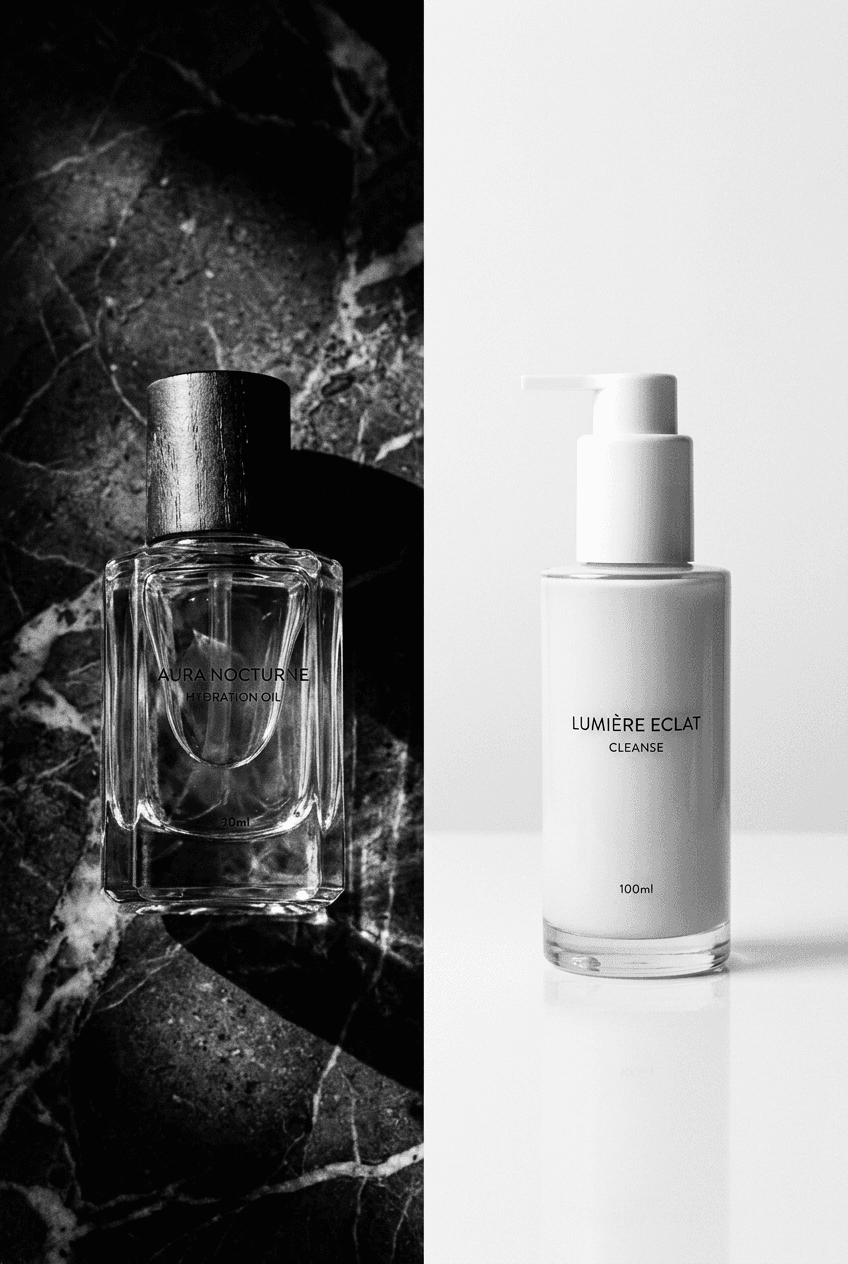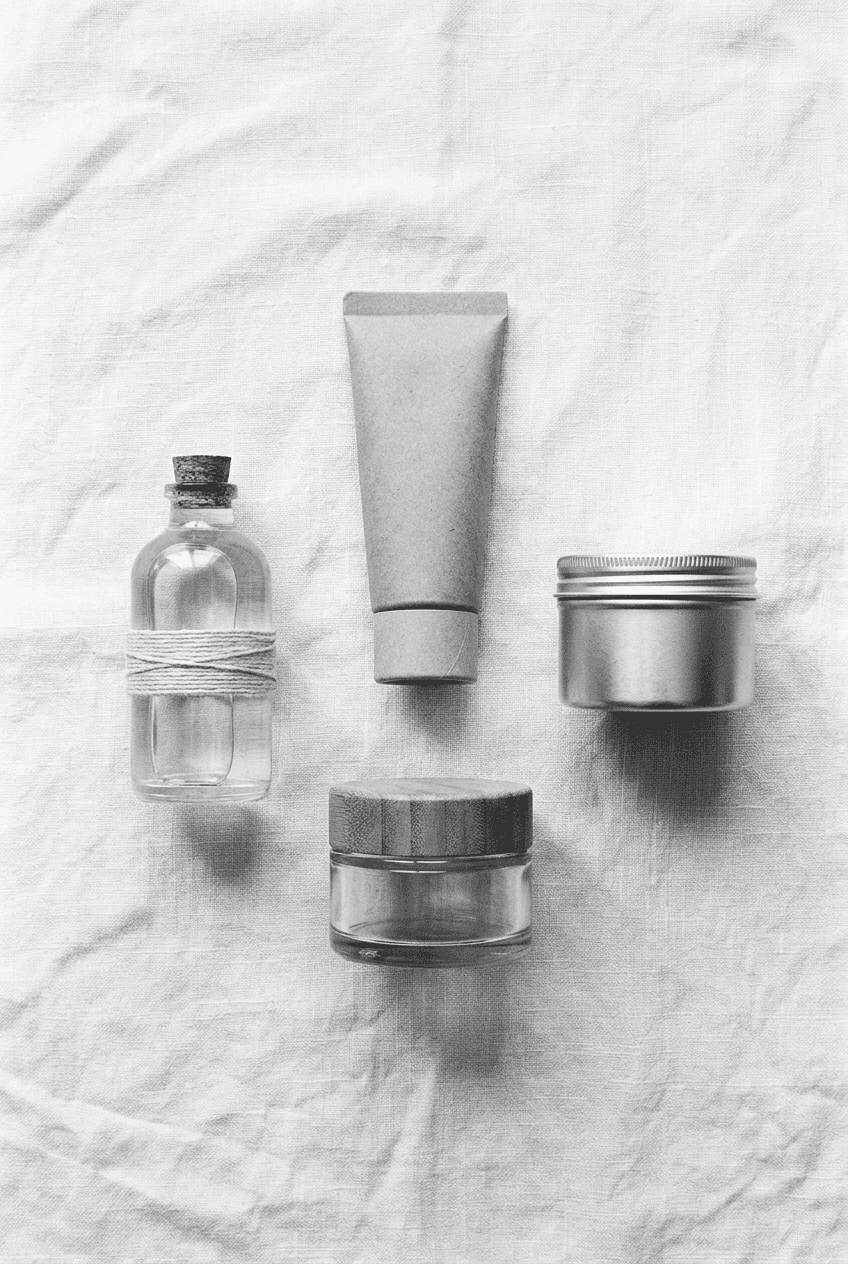

Sustainable beauty packaging is not a claim you make. It is a supply chain decision with documentation.
What "Sustainable" Actually Means in Beauty Packaging
The word "sustainable" in beauty packaging is used to describe so many different things that it has nearly lost its communicative precision. Brands use it to mean: recycled content, recyclable packaging, refillable packaging, reduced packaging, plant-based materials, carbon-neutral manufacturing, or some combination of the above. These are different things with different supply chain requirements, different environmental impacts, and different levels of verifiability.
The starting point for a credible sustainable beauty packaging strategy is to be specific about what you mean and to have the documentation to back it up.
Post-consumer recycled (PCR) content. PCR plastic is plastic that has been collected from consumer waste streams, processed, and used to create new packaging material. PCR content is quantifiable (30% PCR, 50% PCR, 100% PCR) and verifiable through supplier documentation. The FTC Green Guides require that recycled content claims be substantiated and not mislead consumers. "Made with recycled materials" without specifying whether the materials are pre-consumer industrial waste or post-consumer household waste is considered misleading under FTC guidance. Recyclable packaging. Packaging that is recyclable in theory may not be recyclable in practice, because the infrastructure to recycle it (the collection and reprocessing facilities) may not exist at scale. The FTC Green Guides state that "recyclable" claims should only be made if a product or package is recyclable in a substantial majority of communities where it is sold. Polyethylene terephthalate (PET) and high-density polyethylene (HDPE) are widely recyclable in the US. Other plastics (PS, PVC) have much more limited recycling infrastructure. Glass and aluminum are both highly recyclable with robust infrastructure. Refillable packaging. Refillable packaging requires both the product (the primary container designed for refilling) and the refill (available for purchase separately, in minimal packaging). A refill program that does not actually have refills available for purchase is not a refill program. Refillable packaging has a genuinely lower environmental impact than single-use packaging over the full product lifecycle, provided the refill adoption rate is high enough to offset the production cost premium of the refillable primary container. Reduced packaging. Using less packaging material per unit of product -- thinner walls, smaller secondary packaging, elimination of unnecessary packaging elements -- is one of the most impactful packaging sustainability actions and one of the least marketed. Brands that reduce packaging volume by 20-30% while maintaining quality are making a real environmental contribution that is often more significant than switching materials.
According to a 2024 GlobalData sustainability report on beauty packaging, 68% of prestige beauty buyers consider packaging sustainability "important" to their purchase decision, up from 48% in 2021. The commercial relevance of packaging sustainability at the prestige tier is now substantial.
The Most Impactful Sustainable Packaging Choices for Beauty Brands
Switch to glass for primary containers where feasible. Glass is infinitely recyclable with robust infrastructure in most developed markets. It creates a premium aesthetic that is commercially appropriate for prestige and accessible prestige beauty brands. The weight penalty (glass is heavier than plastic, affecting shipping emissions) is a consideration for sustainability-minded brands, but the recyclability advantage is significant. For DTC brands, the increased shipping cost and fragility risk of glass are real operational considerations. Use PCR plastic where glass is not feasible. For tubes, flexible packaging, and applications where glass does not work, PCR plastic reduces the demand for virgin petroleum-based plastic. Most major packaging suppliers now offer 30-50% PCR content options across standard packaging formats. The aesthetic difference between virgin and PCR plastic is minimal at 30-50% PCR content and nearly undetectable with proper formulation of the PCR material. Eliminate unnecessary secondary packaging. The outer box or carton that many beauty products come in serves primarily as a retail and gifting surface, not a product protection function. For DTC brands, secondary packaging serves an unboxing function. But many beauty products sold in retail environments carry secondary packaging that adds packaging waste without meaningful commercial benefit. An audit of which secondary packaging elements are commercially necessary vs. habitual is a useful starting point. Design for disassembly. Multi-material packaging (a bottle with a metal pump, a jar with a rubber seal, a cap with a glass window insert) is very difficult to recycle because the materials cannot be separated by standard recycling infrastructure. Designing packaging for single-material disassembly (all components in the same material category, or clearly separable components) dramatically improves recyclability. This is a design decision that must be made at the packaging brief stage, not after the design is finalized. Paper-based packaging with appropriate barriers. Paper and board materials have broader recycling acceptance than most plastics, and paper-based packaging communicates a natural aesthetic that aligns with many beauty brand sustainability stories. The challenge is product protection: beauty products (particularly liquids, emulsions, and oil-based products) require a moisture or grease barrier that standard paper cannot provide. Paper-based primary packaging for beauty typically requires a coating or liner that may reduce recyclability depending on the specific barrier system.
The Greenwashing Risk in Beauty Packaging Sustainability
The FTC's Green Guides (updated in 2024) have specific provisions for beauty and personal care packaging claims that brands must understand before making sustainability communications.
Claims that are too broad. "Eco-friendly," "environmentally responsible," and "sustainable" without specific qualification are considered potentially misleading under FTC guidance because they imply comprehensive environmental benefit without specifying what that benefit is. Claims should be specific: "made with 50% post-consumer recycled plastic" rather than "eco-friendly packaging." Recyclability claims for non-recyclable items. Claiming that packaging is recyclable when the recycling infrastructure does not exist in a substantial majority of markets where the product is sold is an FTC Green Guide violation. This applies to many beauty packaging formats that are technically recyclable but in practice not accepted by most municipal recycling programs. Carbon neutral claims. "Carbon neutral" packaging or brand claims require very specific substantiation, typically through a verified carbon accounting methodology and certified offset purchasing. Unsubstantiated carbon neutral claims are an increasing target of FTC enforcement and civil litigation. Vague "natural" material claims. "Plant-based" or "natural material" claims have specific substantiation requirements. A product described as "plant-based packaging" must actually be made substantially from plant-derived materials, with documentation to support the claim.
The EU's Green Claims Directive (adopted in 2024, with member state implementation by 2026) creates a more stringent regulatory environment for sustainability marketing claims in the European market. Brands selling in the EU or UK should review their sustainability claims against these requirements.
Sustainable Beauty Packaging at Prestige vs. Mass Market Tiers
The sustainability conversation in beauty packaging differs significantly by tier.
Mass market sustainable packaging is primarily a supply chain and cost efficiency exercise. At mass market margins, sustainability must be cost-neutral or cost-positive to be commercially viable. The mass market sustainability story centers on material switches (PCR plastic, lightweight packaging, reduced secondary packaging) that reduce material cost per unit while improving sustainability credentials. Accessible prestige sustainable packaging is both a supply chain commitment and a brand communication opportunity. Accessible prestige buyers are ingredient-educated and brand-values-aware. A credible, specific sustainable packaging story (not just a recycled content claim, but a brand-wide packaging philosophy with verifiable commitments) is a commercial differentiator in this tier. Prestige and luxury sustainable packaging is about sustainable materials as premium materials. The direction in prestige is not "our packaging is more environmentally responsible" as a benefit claim, but "we have designed a packaging system with material quality that happens to be sustainable." Refillable glass as the standard packaging architecture. Aluminum as a premium and infinitely recyclable primary container. Paper-based secondary packaging with exceptional production quality. These material choices create premium experiences that also tell a sustainability story.
Building a Credible Beauty Packaging Sustainability Program
A credible sustainable beauty packaging program has three elements: a specific and verifiable material commitment, a documented supply chain that supports the commitment, and communication that accurately reflects what the brand is doing.
Set specific material targets. Not "we are committed to sustainability." Specific: "100% PCR plastic by 2026," "glass primary containers across all hero products by 2025," "elimination of outer cartons for DTC orders by 2024." Specific targets are verifiable. They create accountability and they give the communication something concrete to be about. Get the documentation in place. Supplier COAs for PCR content percentage, third-party recycled content certifications (such as GRS - Global Recycled Standard), recyclability assessments from facilities that process your specific packaging formats. Without documentation, any sustainability claim is a greenwashing risk. Communicate specifically and accurately. The sustainability communication that performs best with prestige beauty buyers is specific, unpretentious, and evidenced. "Our serum bottle is made with 40% PCR plastic -- we're targeting 80% by 2026" is more credible than "our packaging is eco-conscious." Buyers who care about packaging sustainability can evaluate a specific claim. They are skeptical of generic claims.
FAQ: Sustainable Beauty Packaging
What is PCR packaging?
PCR stands for post-consumer recycled content. PCR packaging is made using plastic (or other materials) that has been collected from consumer waste streams, cleaned, reprocessed, and used to make new packaging material. PCR content is typically expressed as a percentage: 30% PCR means 30% of the material content of the package came from recycled consumer waste. PCR is distinct from pre-consumer recycled content, which comes from manufacturing waste that was never used by consumers.
Is glass beauty packaging more sustainable than plastic?
Glass is infinitely recyclable with robust infrastructure in most markets, which gives it a lifecycle sustainability advantage over most single-use plastics. However, glass is heavier than plastic, which means shipping glass packaging has a higher carbon footprint per unit. The full lifecycle assessment of glass vs. plastic depends on the specific product, the market, and the end-of-life scenario. For beauty brands seeking a simple material sustainability choice, glass with a clear recycling instruction is generally more credible than plastic, except in applications where weight and fragility create significant operational disadvantages.
What does "refillable" packaging actually require?
A genuine refill program requires: a primary container designed for refilling (with a mechanism to accept the refill format), a refill product available for separate purchase, pricing that creates a financial incentive for refill vs. replacement purchase, and communication to buyers about the refill program and how to use it. A refillable container without available refills, or a program where the refill price offers no advantage over a full product purchase, is not a functioning refill program.
What is the FTC Green Guides?
The FTC Green Guides are guidelines issued by the Federal Trade Commission that specify what types of environmental marketing claims are likely to be considered deceptive under federal law. They cover claims including "recyclable," "recycled content," "biodegradable," "compostable," "carbon neutral," and general terms like "eco-friendly." The Green Guides were updated in 2024 with strengthened guidance on substantiation requirements for sustainability claims.
Do I need third-party certification for sustainability claims?
Not legally required, but increasingly commercially necessary. Major retailers (Whole Foods, Target, Sephora) and growing numbers of prestige beauty buyers use third-party sustainability certifications (Leaping Bunny, B Corp, GRS for recycled content) as signals of credibility. Self-certified sustainability claims without any third-party verification are increasingly scrutinized by retailers and consumers.
What is the most cost-effective sustainable packaging change for a beauty brand?
Switching from virgin plastic to PCR plastic (30-50% PCR content) is typically the most cost-neutral sustainable packaging change, as PCR plastic has become cost-competitive with virgin plastic at most commercial volumes. Eliminating unnecessary secondary packaging is often cost-positive (reduces material cost) while also reducing environmental impact. Refillable packaging is the highest-impact change but requires the highest investment in product and program design.
I'm Tambi Haşpak, a brand strategist and creative director with an unfair advantage: I'm a pharmacist. I run a creative studio for cosmetics, supplements and beyond. 17 years. Exclusively. If you want to build a sustainable beauty packaging program that is both commercially credible and genuinely substantiated, let's talk. Book a call or email me.