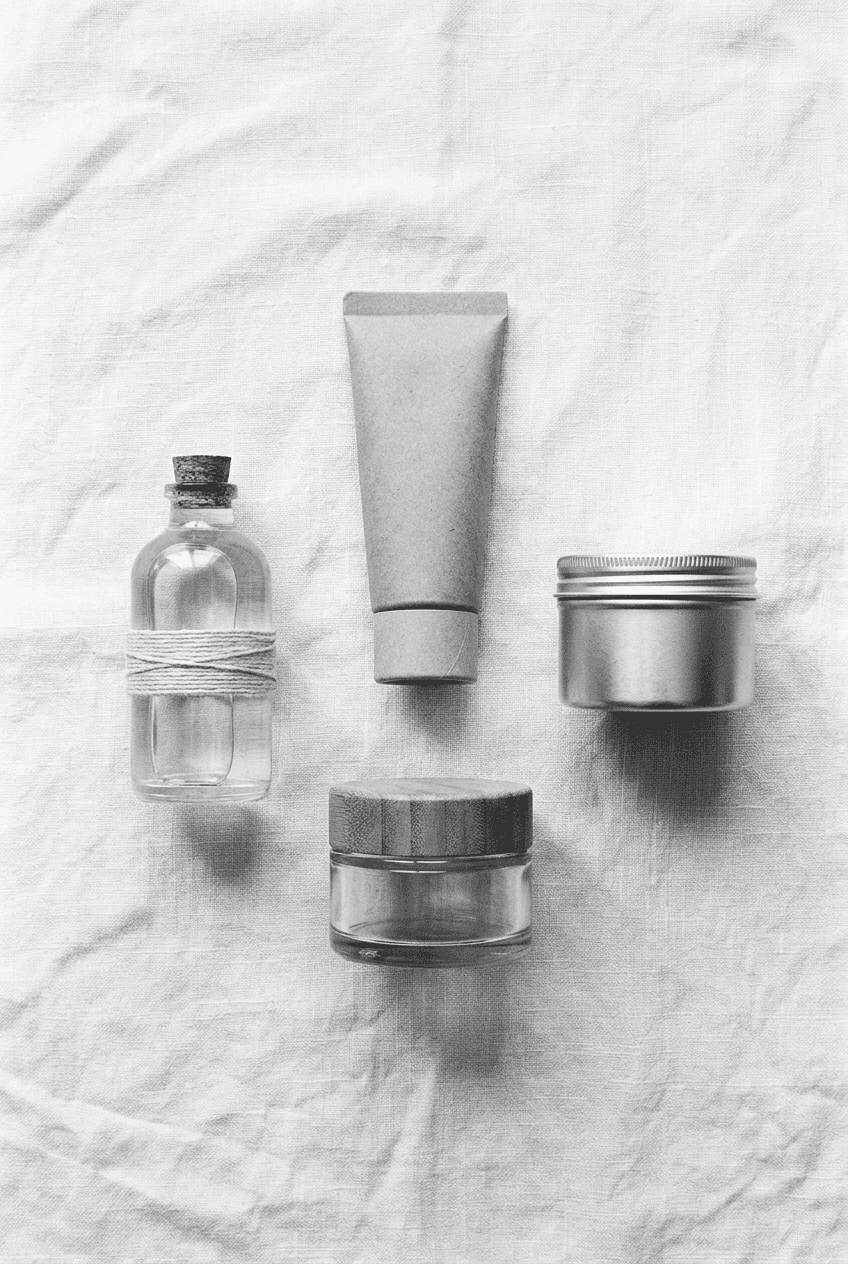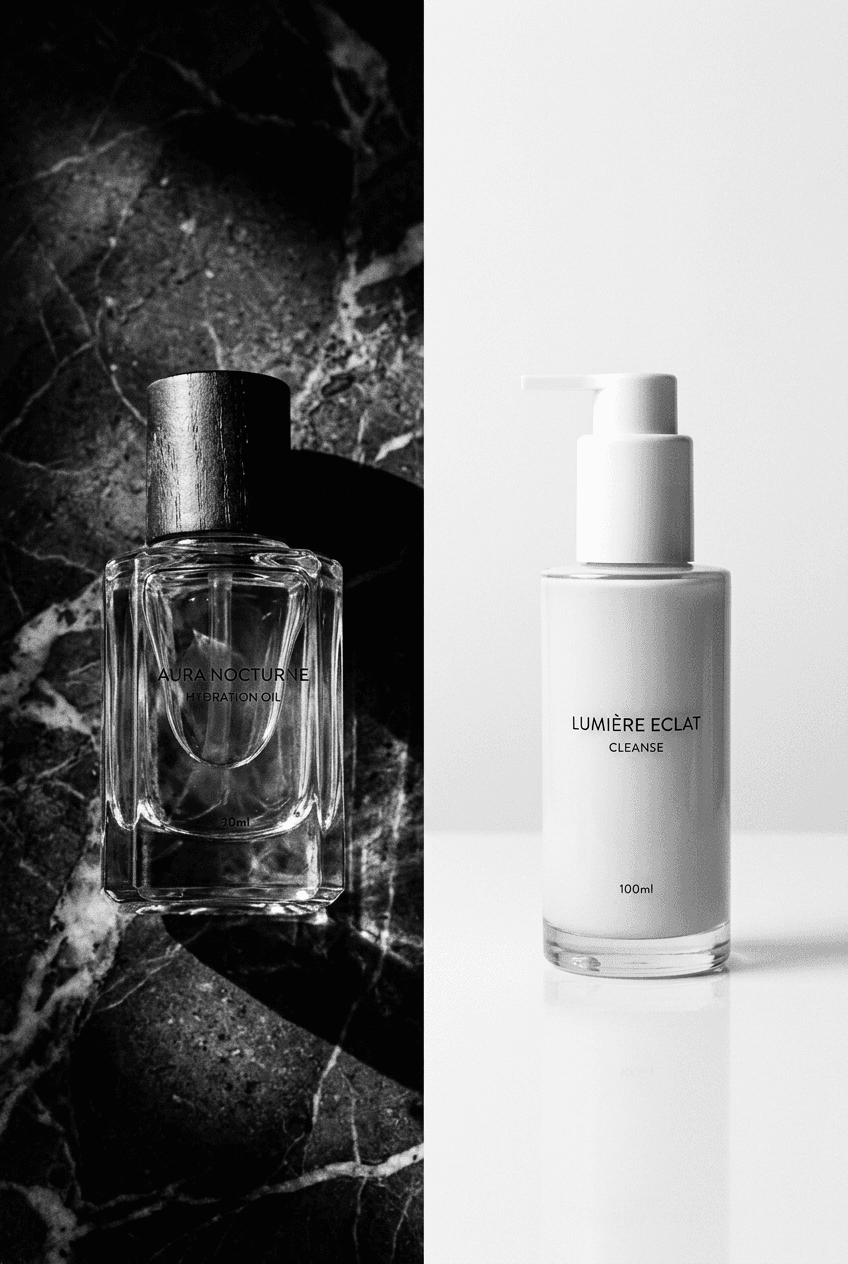

Every beauty brand occupies a tier, whether it chooses its tier deliberately or not. The tier determines almost everything else.
The Beauty Market Tier Structure: What Each Level Actually Means
The US beauty market operates across four distinct tiers. Each has its own rules, and crossing between tiers is possible but expensive and difficult.
Mass market beauty is distributed through drug stores, grocery stores, and mass retailers (CVS, Walgreens, Walmart, Target). Price points typically range from $3-25 for skincare and color cosmetics. Margins at mass market are thin and require volume. The buyer is price-sensitive and brand-loyal to a small set of familiar brands. Marketing is dominated by paid advertising reach and in-store placement. L'Oreal Paris, Neutrogena, and Maybelline operate in this tier. Accessible prestige (sometimes called "masstige") is distributed primarily through Sephora, Ulta, Target's premium beauty section, and equivalent specialty beauty retailers. Price points range from $25-80. Margins are higher than mass market, and volume requirements are lower. The buyer is brand-curious, ingredient-educated, and uses editorial content and influencer recommendations to discover new brands. Urban Decay, Too Faced, and Tatcha (at the lower end of accessible prestige) operate in this tier. Prestige is distributed through luxury department stores, specialty beauty boutiques, and high-end DTC channels. Price points range from $80-200+. The prestige buyer is sophisticated, brand-selective, and not particularly price-sensitive within the tier. She shops for specific brands, not just product categories. La Mer, SK-II, and La Prairie operate in this tier. Luxury is distributed selectively -- flagship stores, very selective retail partners, and DTC with full brand control. Price points range from $150 to $1,000+. The luxury beauty buyer is purchasing experience and identity as much as product performance. Crème de la Mer, Sisley, and Augustinus Bader operate in this tier.
According to a 2024 Euromonitor International report, the prestige beauty segment grew at 11% in 2023, compared to 3% for mass market beauty. The structural shift toward premiumization in beauty is a significant opportunity for brands entering at the accessible prestige and prestige tiers.
The Brand Differences Between Prestige and Mass Market Beauty
The founder and authority story. Mass market beauty brands compete primarily on scale, distribution, and marketing spend. Their founder story (if it exists at all) is a marketing asset, not a commercial foundation. Prestige beauty brands, particularly at the indie and accessible prestige tiers, compete on founder credibility, expert authority, and authentic brand story. The reason: at mass market, the buyer's trust is established through brand familiarity from years of advertising exposure. At prestige, the buyer is less likely to know the brand from advertising and more likely to discover it through content and recommendation -- which means the authenticity and specificity of the brand story is a primary trust driver. The ingredient and formulation story. Mass market beauty has moved toward ingredient transparency under consumer pressure, but ingredient communication at mass market tends to be simple: hyaluronic acid for hydration, retinol for anti-aging, vitamin C for brightening. Prestige beauty brands tell more specific, more expert, and more differentiated ingredient stories -- specific concentrations, specific sources, specific formulation technologies. This specificity is a prestige signal: it implies that the brand operates at a level of formulation sophistication that mass market brands do not. The visual identity investment. Mass market beauty brand identities are designed for shelf impact in a high-competition, price-sensitive retail environment: bold colors, large type, benefit claims as the visual anchor. Prestige beauty brand identities are designed for aesthetic desirability and brand recognition in a more curated retail environment: refined typography, restrained color, packaging quality as a primary signal. The production cost investment in packaging is higher at prestige (15-25% of retail price vs. 5-10% at mass market), and this investment is visible to the buyer. The marketing and discovery channel. Mass market beauty marketing is dominated by paid media reach (TV, digital display, in-store promotion). Prestige beauty marketing operates through a mix of earned editorial placement, influencer relationships (with the specific influencers and publications being curated for tier-appropriateness), DTC performance marketing, and the brand's own content. The prestige buyer discovers brands through trusted editorial voices and peer recommendation, not primarily through advertising.
Positioning Decisions That Determine Your Tier
Four decisions determine what tier a beauty brand can credibly occupy.
The price point. Price is both a tier signal and a tier constraint. Setting a price point that is above the tier your brand's other elements support creates the impression of pretension rather than prestige. Setting a price point that is below the tier your formulation and packaging quality supports leaves commercial value on the table. The price point must be calibrated to both the competitive set and the total brand package. The retail environment. Where you distribute is a tier signal that communicates independently of everything else. A brand distributed in CVS is a mass market brand in the buyer's perception, regardless of what its packaging looks like. A brand distributed exclusively through Sephora, premium independent retailers, and its own DTC channel occupies an accessible prestige position in the buyer's mind, and the packaging and brand investment must match that context. The packaging investment. Packaging cost per unit as a percentage of retail price is the most direct indicator of tier commitment in beauty. A brand at $40 retail with $2 in packaging cost cannot deliver the prestige packaging experience that buyer is expecting. The tier is determined not just by the price point but by the investment that the price point makes possible and the experience that the packaging investment delivers. The brand story specificity. Generic brand stories ("we make clean beauty products with natural ingredients") are mass market stories, because they describe a broad category rather than a specific perspective. Prestige brand stories are specific: a specific founder with specific expertise, a specific formulation philosophy with specific evidence, a specific target buyer who is clearly visible in the brand's creative direction. Specificity signals confidence. Confidence signals prestige.
The Danger Zones Between Tiers
The most commercially vulnerable position in beauty is sitting between tiers. "Accessible luxury," "affordable prestige," and similar in-between positioning claims almost always fail because the buyer assigns the brand to one tier or the other based on the weakest link in the brand's total package.
A brand with prestige pricing ($80+ for a moisturizer) and mass market packaging (stock bottle with a label, no secondary packaging) will be assigned to the mass market tier by buyers who notice the packaging inconsistency. A brand with mass market pricing ($15 for a serum) and prestige brand communication (elevated photography, expert founder story, premium retail environment) will be evaluated skeptically: the claim and the price point create cognitive dissonance.
The most common tier mistake I see with new beauty brands: pricing at the accessible prestige tier ($45-80) with packaging investment calibrated to mass market ($3-6 per unit). The packaging cannot support the price point, and the brand cannot convert buyers who evaluate the packaging as part of their purchase decision.
The resolution is not always to invest more in packaging. Sometimes it is to price down to match the packaging investment. The key is that the price point and the packaging quality must be consistent signals of the same tier.
How to Build a Prestige Beauty Brand from Scratch
Building at the prestige tier requires a specific sequence of brand decisions and investment commitments.
Start with the authority foundation. Who are you and why does your perspective on beauty matter? This is not a marketing exercise. It is a genuine reflection on what the founder or founding team brings that is specific, verifiable, and relevant to the buyer. A pharmacist-founded skincare brand. A cosmetic chemist who has spent 20 years formulating for luxury houses. A dermatologist with a specific clinical philosophy. The authority foundation must be real. Design the brand architecture before the visual identity. How many products, what they are, how they relate to each other, and what the hero product is -- these decisions must be made before a designer works on any visual element. A prestige brand that launches with too many products (10+ SKUs) fails to create the focused brand story that prestige positioning requires. Invest in packaging at prestige tier standards. This means: custom or semi-custom structural packaging where possible, label quality that communicates through tactile and visual experience as well as information, secondary packaging that creates an appropriate opening experience, and total packaging cost per unit that represents 15-25% of the retail price. Select distribution based on brand tier, not short-term revenue. The easiest channel to access is usually not the right channel for a prestige-positioning brand. Resist the temptation to distribute widely for early revenue if the distribution environment is inconsistent with your tier positioning.
According to a 2023 Circana (formerly NPD) study of beauty brand launches, prestige beauty brands that maintained consistent tier positioning across all four brand elements (price, distribution, packaging, brand story) had 3x higher two-year survival rates than brands that mixed tier signals.
FAQ: Prestige vs Mass Market Beauty Branding
What is the difference between prestige and mass market beauty?
Prestige beauty is distributed through selective channels (Sephora, luxury department stores, DTC), priced above the mass market range ($40+), packaged at a quality standard that communicates premium, and marketed through content and trusted recommendation rather than mass advertising. Mass market beauty is distributed broadly (drug stores, mass retail), priced for high volume, and marketed primarily through paid advertising reach.
Can a brand move from mass market to prestige?
Yes, but it is very difficult and requires a comprehensive repositioning effort that includes reformulation, complete packaging redesign, distribution channel change, and pricing adjustment. Most attempts to move a mass market brand to prestige fail because the existing brand associations are too strong in the buyer's mind to be overwritten by a packaging update alone. A new brand launched at prestige is commercially more efficient than a mass market brand repositioned to prestige.
How much more expensive is prestige beauty packaging than mass market?
At mass market, packaging typically represents 5-10% of retail price. At accessible prestige, 8-15%. At prestige, 15-25%. At luxury, 20-35%. These ranges are guidelines, not fixed rules, but they reflect the investment level required to deliver a packaging experience consistent with each tier.
What does an accessible prestige beauty buyer want that a mass market buyer does not?
The accessible prestige buyer is more ingredient-educated, more interested in brand story, more likely to research a brand before purchasing, and more willing to pay a premium for a formulation or brand story she finds compelling. She is less price-sensitive and more brand-curious than the mass market buyer. She discovers new brands through editorial content, influencer recommendation, and peer suggestion rather than primarily through advertising.
Is "clean beauty" a tier, or a positioning within a tier?
Clean beauty is a positioning attribute (a specific formulation philosophy and ingredient standard) that appears across multiple tiers, from mass market (Honest Beauty at Target) to prestige (Ilia, Kosas) to luxury (Westman Atelier). It is not a tier in itself. A clean beauty brand still needs to make all of the same tier positioning decisions as any other beauty brand.
I'm Tambi Haşpak, a brand strategist and creative director with an unfair advantage: I'm a pharmacist. I run a creative studio for cosmetics, supplements and beyond. 17 years. Exclusively. If you are deciding what tier to build your beauty brand in, or if your current tier positioning is creating commercial friction, let's talk. Book a call or email me.