
The brands that consistently break through this noise are not the ones with the most claims. They are the ones with the clearest positioning, the most credible story, and the most specific answer to the question every consumer is actually asking: why should I trust this one?
The global dietary supplement market was valued at $177 billion in 2023 and is projected to reach $327 billion by 2030, according to Grand View Research. That growth is real, but it is not evenly distributed. Most supplement brands respond to a saturated market by trying to out-claim their competitors. More milligrams. More certifications. More ingredients. The result is labels so dense with information that they communicate nothing clearly.
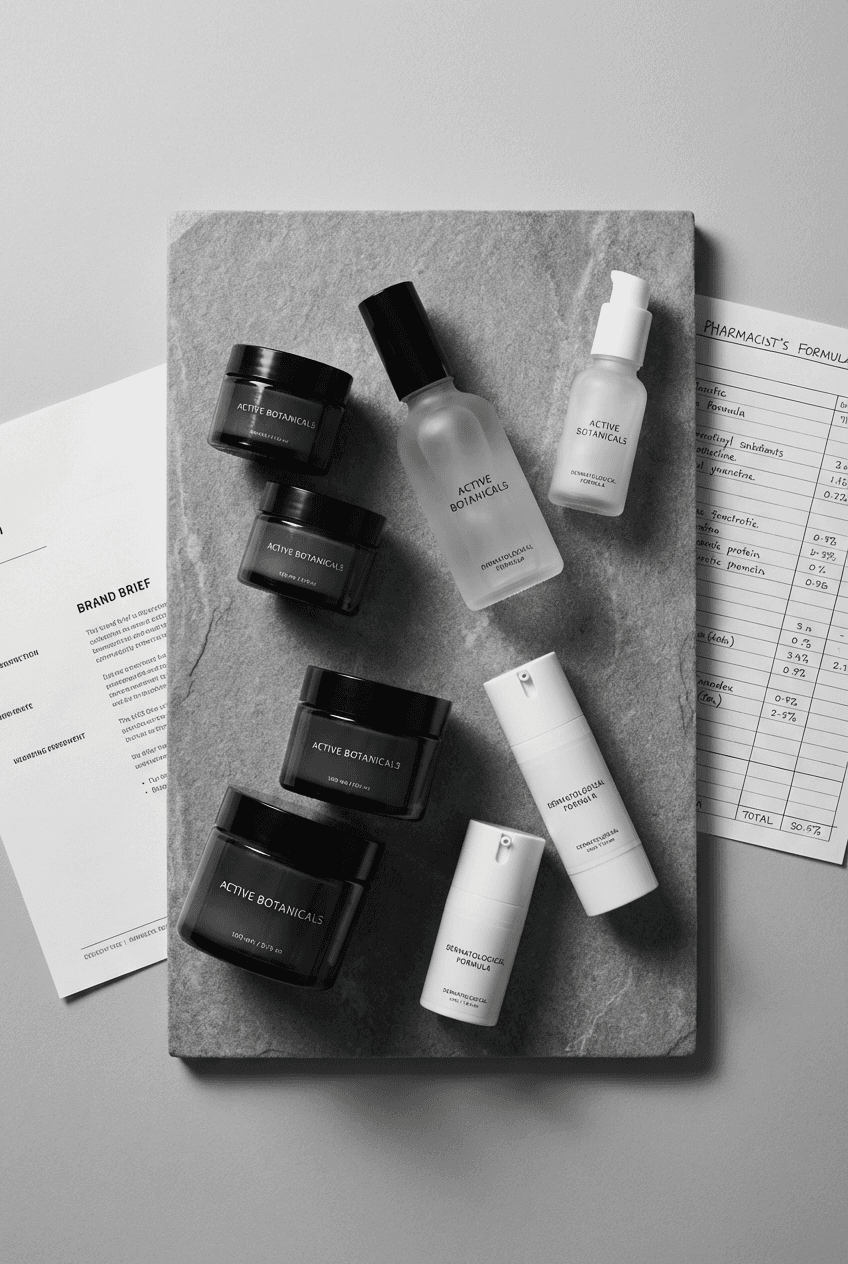
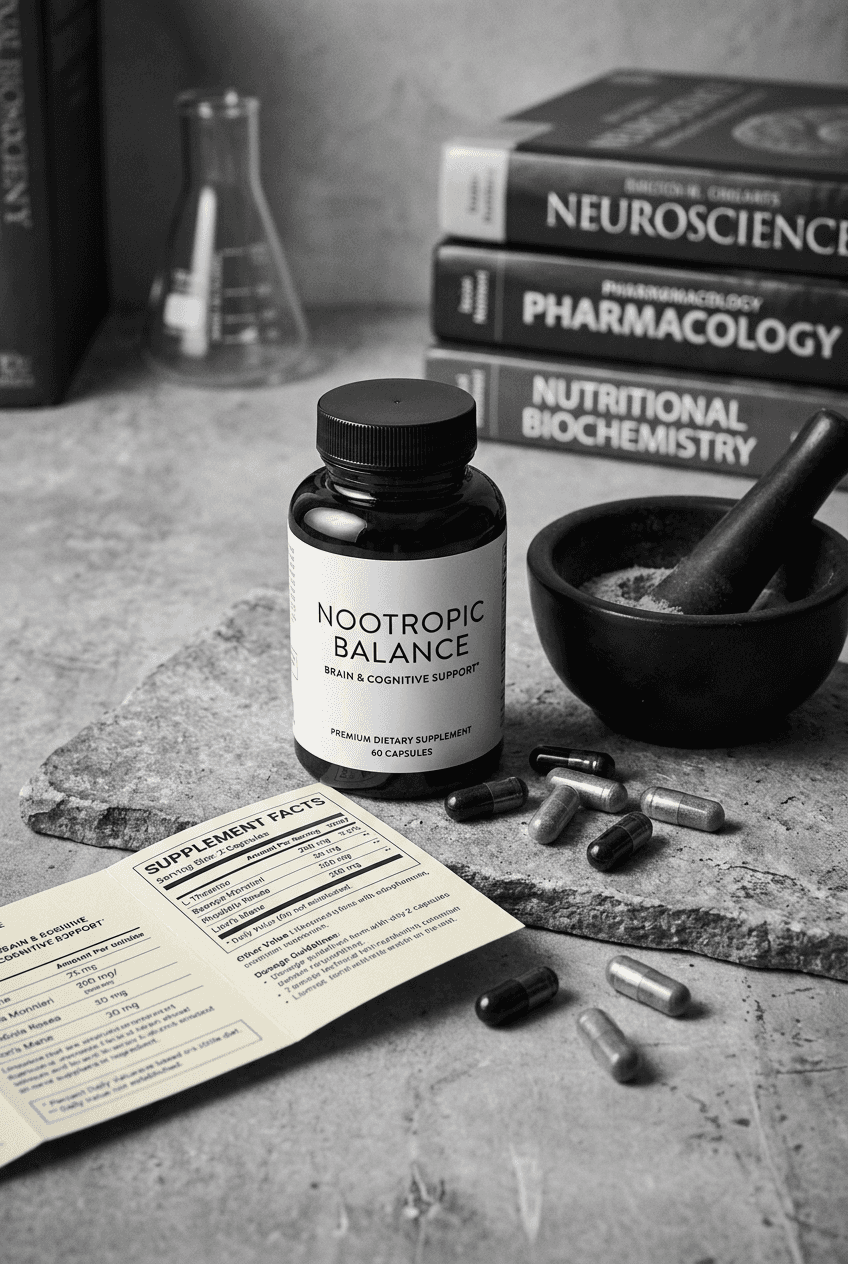
As a pharmacist, I read supplement labels with a different eye than a copywriter or designer. I know what the ingredient actually does at the dose listed, whether the delivery format supports absorption, and whether the claim is substantiated by the evidence. That combination, scientific literacy and creative direction, is the specific advantage I bring to supplement founders. This guide covers how to build a supplement brand that earns repeat purchase rather than just first-time curiosity.
Why Most Supplement Brands Look the Same
The sameness is structural. Most supplement brands are built backwards: the formula comes first (often a contract manufacturer's off-the-shelf stack), and then a brand is applied on top. The result is a brand that is generic by design, because the product was generic before the branding process began.
The brands that look different started with a different question. Not "what should we put in the capsule?" but "who is this for, what do they actually need, and what would a brand built specifically for that person look and sound like?"
That sequence, consumer first, formula second, brand expression third, produces supplements that feel designed for a specific person rather than for a general market. And in a crowded market, feeling made for someone specific is the beginning of trust.
According to a 2024 Mintel report, 61% of supplement buyers say the primary reason they switch brands is that the original brand felt like it was not specifically for them. In a market defined by sameness, specificity is not a creative preference. It is the fundamental differentiator.
The Three Ways to Differentiate a Supplement Brand
Every supplement brand that stands out does so through one of three primary differentiation strategies. The most durable brands combine two or three, but the starting point is always choosing which one leads.
Scientific credibility: the formula uses clinically studied ingredients at clinically relevant doses, delivered in a form the body can absorb. The brand builds trust by showing the science behind every decision. This works for an educated consumer who researches before buying and will verify the claims. It requires a brand that can communicate science without dumbing it down and without overclaiming. Identity and lifestyle alignment: the formula is built for a specific person living a specific life. The endurance athlete. The perimenopausal professional. The parent who does not have time for complicated protocols. The brand builds trust by making that person feel seen. The formula may not be radically different from competitors, but the brand experience, the voice, the visual identity, the community, feels like it was built specifically for them. Transparency and formulation integrity: the brand shows exactly what is in each serving, at what dose, and why. No proprietary blends that hide the active ingredient behind a total. No underdosed ingredients at marketing rather than clinical levels. No filler ingredients disguised with complex names. This works for a consumer who has been burned by overpromising brands before and is looking for one they can trust.
Each of these positions requires a different visual identity, a different copywriting approach, and a different channel strategy to be credible.
Differentiation Strategy | Target Consumer | Visual Language | Copy Approach |
|---|---|---|---|
Scientific credibility | Ingredient-literate researchers | Clinical, precise, minimal | Evidence-led, specific doses |
Identity/lifestyle alignment | Community-driven specific audience | Native to audience's world | Voice-led, human, specific |
Transparency/formulation integrity | Trust-burned skeptics | Open, clear, ingredient-forward | Plain, honest, nothing hidden |
Claims: The Most Regulated Part of Supplement Branding
Supplement branding operates in a tightly regulated environment. In most markets, the distinction between a food supplement and a medicine is determined by the claims made about the product. Claims that imply treatment, cure, or diagnosis of a medical condition are reserved for medicines. Structure-function claims, claims about what the supplement does for a normal physiological process, are generally permitted for supplements with appropriate qualifications.
"Reduces inflammation" is in many jurisdictions a medical claim.
"Supports a healthy inflammatory response" is a structure-function claim.
"Clinically proven to reduce joint pain" requires clinical evidence and may cross into medical claim territory depending on the jurisdiction.
The difference between a claim that builds the brand and a claim that creates regulatory exposure is often a single word. Understanding where those lines are, and how to communicate compellingly within them, requires both regulatory knowledge and creative skill.
As a pharmacist, I know exactly where those lines sit and how to write claims that are specific, compelling, and defensible. I cover this in detail in my guide to food supplement branding.
The practical consequence of getting this wrong is not just regulatory. A brand built on claims it cannot substantiate trains consumers to expect results the product may not reliably deliver. That gap destroys repeat purchase rates, generates negative reviews, and erodes the brand equity that advertising investment is trying to build.
Visual Identity in the Supplement Market
Supplement packaging operates across a wider aesthetic range than almost any other category. At one end, clinical brands use white, precise typography, and minimal design to communicate scientific authority. At the other end, sports nutrition brands use bold color, aggressive typography, and maximalist design to communicate intensity and performance. Between these poles is every iteration of naturals, wellness, functional food, and premium health.
The visual identity must be calibrated to the brand's positioning and its target consumer. A clinical brand selling to a consumer who researches ingredients should look like it belongs in the same visual category as scientific publications and medical communication. A lifestyle brand selling to a fitness community should look like it belongs in the same visual category as the lifestyle content that community already consumes.
The most common visual identity mistake in supplements is defaulting to the category's existing aesthetic conventions without a strategic reason. Green with natural imagery is the visual language of "health," but it is so overused in the supplement category that it communicates nothing distinctive about why this particular product is better than the thirty other green products next to it.
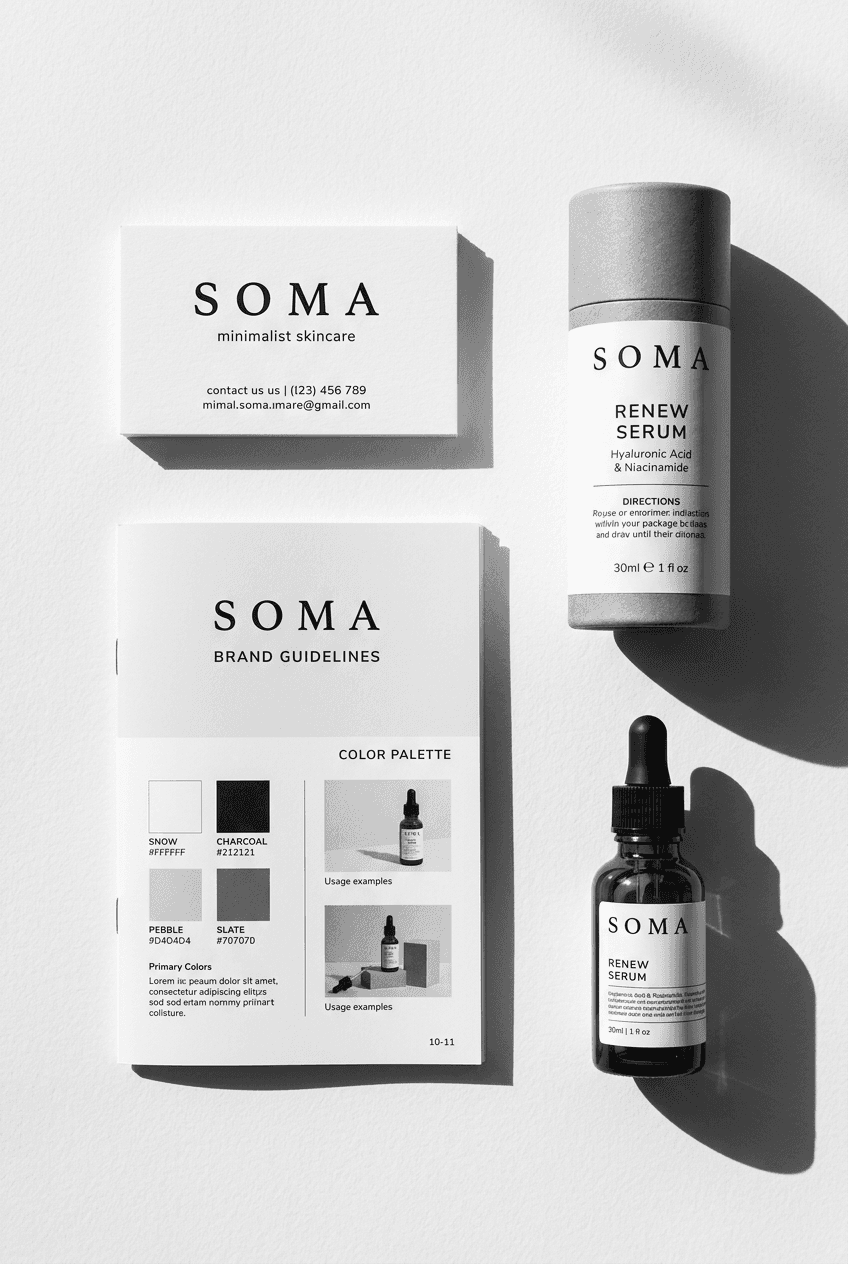
Differentiation in visual identity starts with understanding what the entire category looks like, then choosing where to stand that is both authentic to the brand's positioning and visually distinct from the competitive set. I cover the full visual identity system process in my guide to supplement brand identity.
Ingredient Storytelling: The Supplement Brand's Competitive Advantage
The supplement category has a communication paradox. The most important information about the product, the clinical evidence for specific ingredients at specific doses, is also the most difficult to communicate to a general consumer.
Most brands resolve this by simplifying to the point of vagueness ("supports immunity") or by overcomplicating to the point of inaccessibility (a wall of mechanism-of-action text that reads like a clinical abstract). Neither approach converts.
The approach that works translates the mechanism into the consumer's experience. Not "activates NF-kB pathway suppression" but "helps your body manage the inflammatory signals that make joints stiff after hard workouts." The mechanism is the same. The consumer outcome is different. And the consumer outcome is what the consumer is actually buying.
This translation requires understanding the mechanism well enough to render it accurately in lay language, without losing the specificity that makes the claim credible. It is a pharmaceutical skill applied to creative communication. I bring this combination to supplement brand development, which is why the brands I work with can communicate science in language that feels clear and human rather than either dumbed down or opaque.
Building a Supplement Brand That Earns Repeat Purchase
The supplement market's most reliable indicator of brand health is not acquisition. It is repeat purchase rate. Supplements are consumed regularly. A consumer who trusts a brand repurchases every month without needing to be re-acquired. That compound loyalty is the economic engine of every successful supplement business.
Repeat purchase depends on two things: the product delivering on its promise, and the brand maintaining trust between transactions. The second is where branding does its long-term work.
A supplement brand that communicates consistently, that does not overclaim, that handles customer questions with genuine expertise, and that evolves its product line in ways that make sense to the consumer it serves, builds the kind of trust that generates both repeat purchase and word-of-mouth growth.
That kind of trust is built by the brand's everyday behavior, not by a rebrand or a campaign. It is why the brand strategy decisions made at launch, about what to claim and what not to claim, about who the consumer is and what they actually need, compound into competitive advantages that are very difficult for competitors to replicate even with better formulas and bigger budgets.
According to a 2023 SPINS market analysis, the top 10% of supplement brands by repeat purchase rate generate 3.2 times more lifetime customer value than the category average. Repeat purchase is not just a retention metric. It is the primary driver of supplement brand valuation.
Practical Starting Points for Supplement Founders
Before briefing a designer, answer these questions.
What does your formula actually do, at the doses you are using, for the specific consumer you are targeting? If the answer requires more than two sentences, the positioning may still need refinement.
What is the one thing a consumer who buys this product will experience that competitors' products do not reliably deliver? This is the core claim. Everything else is supporting evidence.
What does your target consumer already read, watch, and follow? The brand's visual and verbal identity should feel native to that world, not imported from a generic wellness template.
What regulatory markets will the product be sold in, and what claims are permitted in each? Build the compliance layer into the creative brief, not as a constraint but as a creative parameter.
Supplement branding done correctly is not about being louder than competitors. It is about being clearer, more credible, and more specifically relevant to the person who needs what the formula actually delivers. If you want to build a supplement brand that earns trust and holds position over time, reach out.
FAQ: Supplements Branding
What is the most important factor in supplement branding?
Positioning specificity. A brand that is built for a specific person with a specific need is more trusted, more distinctive, and generates higher repeat purchase rates than a brand positioned to the broadest possible audience. In a market defined by sameness, specificity is the primary differentiation mechanism.
How do I build credibility for a supplement brand in a skeptical market?
Through a combination of clinical evidence at the right dose, ingredient transparency (no proprietary blends obscuring active doses), specific and substantiated claims, and consistent brand behavior over time. Credibility is built by doing what the brand says it does, repeatedly, and showing the evidence for why that is possible.
What claims can I legally make on a supplement label?
Structure-function claims are generally permitted for food supplements in most markets, with appropriate disclaimers. These claims describe what the supplement does for a normal physiological process, without implying treatment or prevention of disease. The specific language permitted varies by jurisdiction. Getting this wrong creates both regulatory risk and brand credibility risk.
How do I make supplement science accessible to consumers?
Translate the mechanism of action into the consumer's experienced outcome. Not the biochemical pathway, but the result the consumer will feel or observe. Then make the scientific backing available for the consumer who wants it, without requiring engagement with it to make the primary promise land.
What visual identity works for a premium supplement brand?
It depends on the positioning. Scientific credibility brands need clinical precision: white space, geometric typography, minimal design. Lifestyle brands need to look native to the consumer's world. Transparency brands need open, clear, ingredient-forward design. The visual identity must match the differentiation strategy, not just the category convention.
How much does supplement branding cost?
A complete supplement brand identity, including positioning, naming, visual identity, packaging design, and brand guidelines, typically ranges from $10,000 to $40,000 for a specialist studio. Attempting this for significantly less produces work that is generic, difficult to trademark, and will require replacement. The cost of a rebrand within two years of launch is consistently higher than the cost of doing it correctly at the start.
What is the relationship between branding and repeat purchase in supplements?
Direct and significant. Supplements are regularly consumed products. A consumer who trusts a brand repurchases every month without needing to be re-acquired. The brand's communication, its consistency, its willingness to deliver on exactly what it promises, is the primary driver of that trust. According to a 2023 SPINS analysis, the top 10% of supplement brands by repeat purchase rate generate over three times the lifetime customer value of the category average.
I am Tambi, a brand strategist and creative director with an unfair advantage: I am a pharmacist. I run a creative studio for cosmetics, supplements and beyond. 17+ years. Exclusively.
Sources: Grand View Research, Global Dietary Supplements Market Report (2024); Mintel Supplement Consumer Behavior Report (2024); SPINS Market Analysis, Supplement Category (2023)