
A designer makes your packaging look good. A specialist studio makes it sell.
Why Supplement Packaging Requires a Studio, Not a Designer
Supplement packaging sits at the intersection of three demanding disciplines: FDA or EFSA regulatory compliance, retail and channel performance, and brand identity. A skilled graphic designer can handle one of these well. Handling all three simultaneously, on a container that might be 60ml tall with a label smaller than a postcard, is a specialist capability.
The global dietary supplement market was valued at $177 billion in 2023 and is projected to grow at 8.9% annually through 2030, according to Grand View Research. That growth means more new supplement brands entering the market every year, most of them making the same mistake: hiring a designer to do a specialist studio's job, discovering the gap when the packaging fails compliance review, fails on shelf, or fails to communicate the brand positioning the founder intended.
I am a pharmacist and creative director who has been building supplement packaging for 17 years. The difference between designer work and specialist studio work in this category is not a matter of aesthetics. It is a matter of whether the packaging can legally ship, commercially compete, and consistently communicate the brand.
Designer vs. Specialist Studio: What Each Actually Delivers
Factor | Graphic Designer | Supplement Packaging Studio |
|---|---|---|
Supplement Facts panel | Laid out aesthetically | Designed to FDA/EFSA formatting requirements |
Disclaimer language | Client provides, designer places | Studio advises on required language by market |
Claims review | Not part of the service | Integral to the brief stage |
Shelf performance | Designed for screen | Designed for the actual retail environment |
Container specifications | Generic dimensions | Designed against your specific bottle, jar, or pouch |
Channel adaptation | Single version | Adapted for retail, DTC, and Amazon thumbnail |
Brand strategy | Client-directed | Studio-led competitive positioning |
Production knowledge | Limited | Material, finish, and print process expertise |
The table above is not a criticism of designers. Skilled graphic designers produce excellent work within their remit. The problem is when supplement founders hire a designer and expect studio outputs, then discover six weeks before production that the Supplement Facts panel does not meet minimum formatting requirements for their target market.
The Regulatory Layer That Separates Specialist Studios
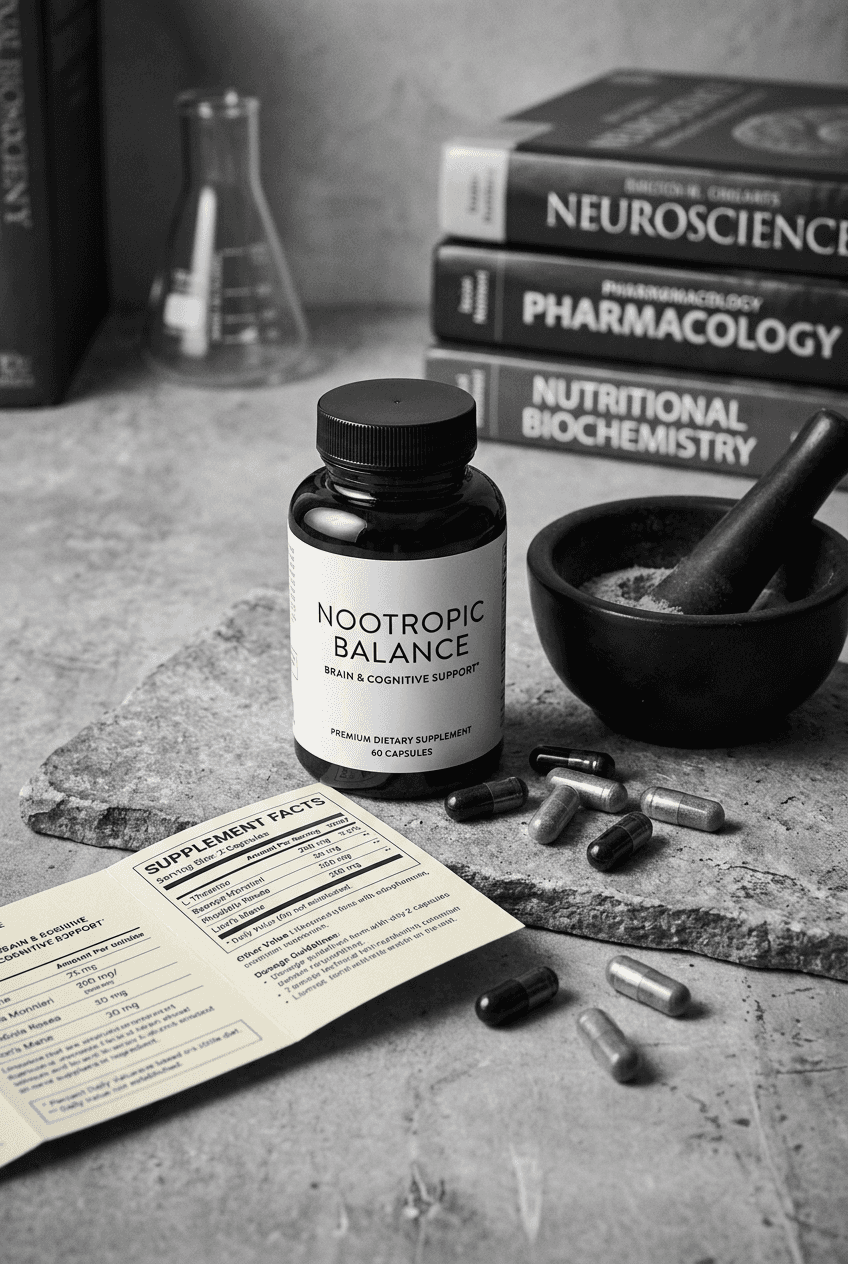
FDA regulatory requirements for supplement packaging in the US are specific and non-negotiable. The Supplement Facts panel must use a defined format: specific type sizes, specific line widths, specific information hierarchy. The disclaimer "This statement has not been evaluated by the Food and Drug Administration. This product is not intended to diagnose, treat, cure, or prevent any disease." is mandatory and must appear in a specific size relative to the surrounding text.
In European markets, EFSA maintains a register of authorized health claims. A supplement packaging studio designing for EU distribution knows which claims from that register apply to the ingredients in your formula, and designs the claims language accordingly. A designer will write what the client asks them to write and place it on the label. These are not the same thing.
The TGA in Australia has its own requirements, and the UK post-Brexit has diverged from EU regulations in specific areas. A supplement brand launching in multiple markets needs packaging that was designed for those regulatory environments simultaneously, not sequentially.
According to a 2023 FDA warning letter database analysis, 41% of dietary supplement regulatory actions involved labeling non-compliance, the majority of which were preventable errors in Supplement Facts panels and claims language. A specialist studio prevents these problems because regulatory knowledge is part of how they work, not a service they outsource after the design is complete. For the full regulatory breakdown by market, see my guide to supplement packaging compliance.
What a Supplement Packaging Studio Does Before Design Starts
The most significant difference between designer work and specialist studio work happens before a single design concept is created.
Competitive audit. A genuine specialist studio will map the visual landscape of your specific supplement segment before designing anything. What do the leading brands in your category look like? Where is the visual territory overcrowded, and where is there room to own something? This is not something a client can brief. It requires direct category knowledge and independent research. Claims and compliance brief. The studio identifies which health claims are legally available for your specific formula in each target market, and builds the claims strategy into the brief before design begins. This means the label design is structured around compliant claims from the start, rather than retrofitting compliance requirements onto a finished design. Packaging format specification. Supplement packaging design that has not been developed against the actual container produces results that look different in production than they did on screen. A specialist studio will ask for your specific bottle dimensions, material, label substrate options, and cap type before designing the label. These physical parameters determine what is possible typographically and compositionally on the actual product. Channel context mapping. Where will this product be sold? Pharmacy shelf, gym retail, Amazon, your own DTC website? Each channel has different visual requirements. Amazon requires the front panel to communicate the primary benefit at thumbnail scale. Pharmacy shelf requires differentiation from 40 adjacent competitors under LED lighting. DTC photography requires the packaging to look premium when photographed against a lifestyle background. A specialist studio designs for the actual channel mix, not a generic ideal.
Questions to Ask a Supplement Packaging Studio Before You Hire
These six questions will reveal more than any portfolio review.
How do you integrate FDA and EFSA requirements into your design process?
The right answer: compliance requirements are mapped in the brief phase before design begins. The wrong answer: we send the finished designs to a regulatory consultant for review. If compliance is a post-design check rather than a design input, the studio is not a genuine supplement specialist.
Can you show me your competitive audit process for a supplement project?
Ask to see a real example of a competitive audit from a previous supplement project. The audit should show the visual landscape of the specific category, identify differentiation opportunities, and connect those opportunities to design decisions in the final work. A studio that cannot show this does not conduct genuine competitive analysis.
How do you handle the Supplement Facts panel?
This is a technical question. The right answer demonstrates knowledge of FDA formatting requirements: the specific type size minimums, the line width rules, the required information hierarchy. A designer who treats the Supplement Facts panel as a design element rather than a formatted compliance requirement will produce panels that need to be redone.
Have you designed for the same channel mix I am targeting?
If you are selling through Whole Foods, Amazon, and your own DTC website simultaneously, ask specifically whether the studio has designed supplement packaging for that combination of channels. The design decisions that work for one channel mix are not automatically the right decisions for another.
Who specifically will work on my project?
In larger studios, senior expertise is sold by partners who then hand execution to junior staff. Ask specifically who conducts the regulatory brief, who designs the identity, and whether those are the same people you are meeting with now.
What happens if the packaging needs to be revised for compliance after it is designed?
A specialist studio includes reasonable compliance revisions in the scope. A studio that charges separately for compliance revisions was not integrating compliance into the design process in the first place.
The Cost of Getting This Wrong
The financial consequences of choosing a designer over a specialist studio are specific and quantifiable.
A Supplement Facts panel that fails FDA formatting requirements means reprinting all labels before the product can ship. Label reprint costs at low MOQ typically run $1,500 to $4,000 for a basic reformatting, not including the time delay.
A front panel claims structure that includes unauthorized health claims for a target market means either reformulating the claims language and reprinting, or not shipping to that market. For a brand planning EU distribution, discovering that a claims structure is not EFSA-authorized after labels are printed is a significant cost.
A label design that was not tested on the physical container produces color, typography, and layout results in production that differ from what was approved on screen. For premium supplement brands using metallic substrates or matte finishes, these differences can be substantial. Reprinting a premium label after production is typically $3,000 to $8,000 at low MOQ.
The cost differential between a designer and a specialist studio is approximately $5,000 to $15,000. The cost of the errors that specialist studio knowledge prevents is often higher than that differential in the first production run alone.
For guidance on writing a brief that gets the most from a specialist studio, see my supplement packaging design brief guide.
FAQ: Supplement Packaging Studio
What does a supplement packaging studio do?
A supplement packaging studio designs packaging for dietary supplements, vitamins, and nutraceuticals with full integration of FDA, EFSA, and TGA regulatory requirements, retail and channel performance design, and brand strategy. Unlike a generalist designer, a specialist studio brings direct category knowledge to every decision including claims compliance, Supplement Facts panel formatting, and shelf differentiation.
How much does supplement packaging design cost with a specialist studio?
A single product label design with a supplement packaging specialist typically costs $5,000 to $15,000. Full packaging systems for a multi-SKU range including primary packaging, secondary packaging, and channel adaptations typically cost $20,000 to $50,000. The premium over generalist design rates reflects the regulatory knowledge and category expertise that prevents costly compliance errors.
How do I know if a supplement packaging studio understands FDA requirements?
Ask specifically about their process for handling the Supplement Facts panel and disclaimer language. A genuine specialist will describe FDA formatting requirements accurately and explain how compliance is integrated into the design brief before work begins. If the answer is vague or describes post-design compliance review, the studio does not have deep regulatory knowledge.
Can a generalist designer do supplement packaging?
A generalist designer can create visually effective supplement packaging. They cannot independently manage FDA or EFSA compliance requirements, conduct competitive analysis specific to supplement shelf environments, or design Supplement Facts panels to regulatory specifications without guidance. For a brand with serious commercial ambitions, the specialist knowledge that prevents compliance errors and produces shelf-ready designs is a necessary investment.
What should I include in a supplement packaging brief?
A complete supplement packaging brief includes the target markets and their specific regulatory requirements, the packaging format and container specifications, the channel mix, the competitive set with examples, the buyer profile, and the hierarchy of brand claims. It should also include the formula's ingredient list and any existing health claims the brand wants to use, so the studio can assess compliance before design begins.
I'm Tambi Haşpak, a brand strategist and creative director with an unfair advantage: I'm a pharmacist. I run a creative studio for cosmetics, supplements and beyond. 17 years. Exclusively. If you are building a supplement brand and need packaging that is compliant, shelf-ready, and genuinely distinctive, book a call or send me an email.